Countertop Ice Makers for Summer Drink Stations: A Practical Buying Guide
When summer crowds stretch across the counter, a compact countertop ice maker can be useful or a cluttered investment. Learn how to check fit, noise, water handling, and cleaning before you buy.
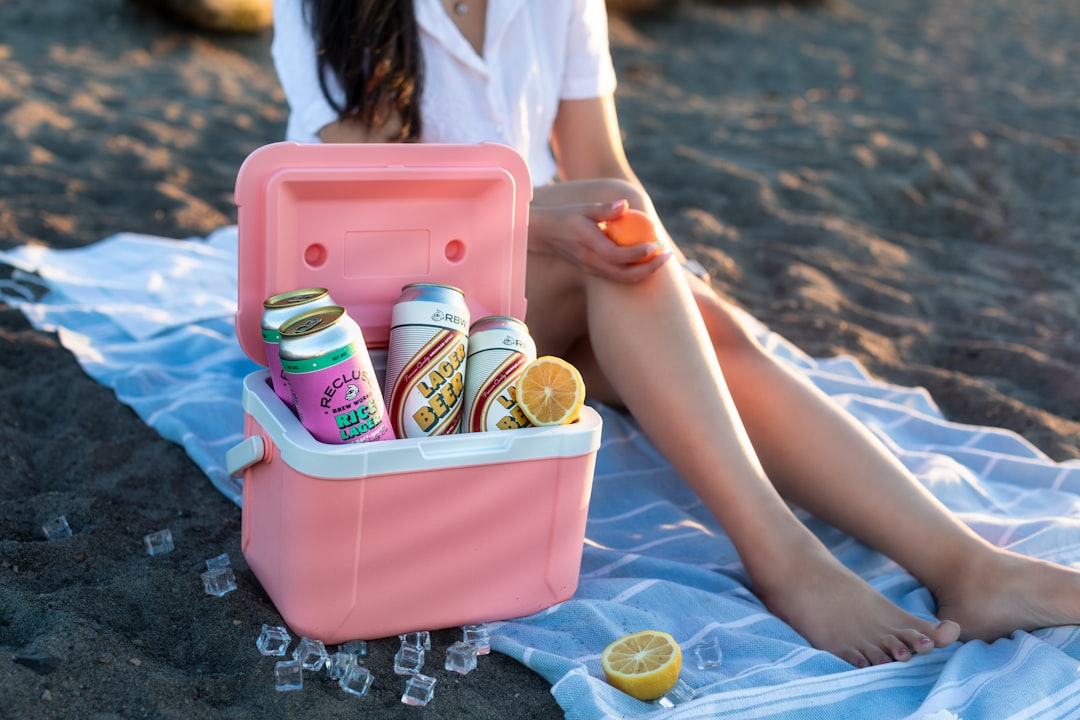
When your kitchen is already set for a Saturday afternoon crowd and one guest asks for a second glass before your pitcher has even thawed, the panic check starts. You start a clean-up dash, check the freezer, then realize you are out of ice at the exact wrong moment. In many homes, that moment is what makes a countertop ice maker feel useful. In many other homes, it ends up sitting idle because the kitchen cannot spare the counter or the family never uses it enough.
This guide is written for readers who are deciding whether to buy a countertop ice maker for summer drink stations, small gatherings, weekend bar carts, and shared spaces like RV galley counters. It is not a deep engineering teardown. It is a practical check list so you can buy with less guessing and less regret.
Where a countertop ice maker works really well
For many kitchens, especially compact apartments and patio-adjacent spaces, a built-in freezer is simply too far from the drinks area. If your summer setup has one island where everyone clusters, one blender, and one pitcher that empties quickly, having ice on the same counter can make hosting easier. It can also help at odd hours when your freezer is locked up with leftovers and someone wants a cocktail before dinner.
It helps most when these needs are true:
- You serve drinks frequently during short windows, like two-hour backyard sessions or porch visits.
- You have daily tasks that repeatedly drain ice, such as filling bottles for a workout routine or cooling beverages for kids after school.
- You want a predictable ice source nearby, even if the quantity per day is not huge.
It is less useful if your family only uses ice once a few times a week, or if your current setup already keeps ice in easy reach from a built-in maker or shared freezer.
What to verify before you click buy
Most product pages repeat the same words in different order, and many buyers get sold by those lines without a practical check. Treat every listing as a promise you need to test against your life, not against another person's routine.
Start with fit, not capacity hype. For most small drink counters, footprint is the first hard filter. Measure counter depth, door clearance, and plug distance. A unit can look narrow from a listing photo and still need clearance for the ice scoop, water bin, and drain area. Set a tape line on the counter before shipping and make sure you can still open adjacent appliance doors.
Then compare claimed output. Many pages show daily output ranges that sound high enough for a house party. You should ask if that number helps your actual pattern. If you pour 40 drinks for a game night and refill every 20 minutes, 26 lbs per day may still be either generous or too little depending on cube size and usage. If you mainly host with sparkling water and iced coffee, you may use many small batches but low total weight.
Look at first-batch timing and bucket behavior. A faster first batch can matter more than total daily output for summer service flow. If your guests arrive before the machine finishes its first cycle, the unit may add noise and inconvenience right when you want calm. If your use is spread through an evening, a steadier cycle may be better than a fast first fill.
Check the bin and cube style. Cube style decides how each drink is assembled. Some people like larger cubes that stay longer in drinks. Others prefer smaller pieces for smoother blends. If your use is mostly summer punches, cocktails, and juice-heavy drinks, either style can work, but your serving tools should match the ice size.
Noise matters in shared homes. Review the model notes, then verify real owner feedback. In thin-wall apartments, a machine can be less pleasant at 7 a.m. than on a Saturday deck deck. If your counter is near a home office or nursery, you may prefer a softer cycle and be willing to buy less output.
Finally, inspect cleaning features as if you own one for six months. How easy is the removable bin? Is the scoop built in or sold separately? Is the water cup easy to remove and rinse? Since summer heat means higher humidity, any device that takes daily care quickly becomes a chore. A compact purchase should not turn into a weekly cleanup project.
Match the machine to your use case, not a marketing badge
Think in scenarios, not specs.
Apartment counter: Counter space is usually the hard limit. A lighter model with simple controls often wins over a larger unit with more settings. You will value low footprint and predictable cycle time.
Backyard drink station: You care about burst output and how quickly refills happen. If you are serving tall glasses, fruit water, and small pitchers all at once, choose a model that cools a flow of ice quickly and can run multiple cycles without frequent manual reset.
RV or camping counter: Power stability and cleaning access become critical. Look for reliability cues, sturdy hose routing, and easy-to-clean surfaces. You will use it for recovery moments, not full-time hosting, so transport and reset behavior matter.
Family routines: If your home sees repeated bottle refills for sports practice or family meals, this is where a machine might save repeated freezer runs. But if your freezer is already nearby, the same model may not reduce much work.
Two practical checkpoints for this category
Use these checkpoints before checkout:
Check 1: Real counter math. Measure your intended counter width, then compare each candidate at the exact inches, including door open swing and clearance for a scoop. If it forces your blender or hot sauce rack to move every hour, skip it.
Check 2: Real daily usage. Estimate your most demanding hour. If you pour 10 iced coffees in one hour, you need a machine with faster replenishment than one who is mostly a late evening drink helper. If you drink slowly through the day, slower machines are often fine and quieter.
Who should skip a countertop ice maker
Skip the purchase if your space already has a built-in ice source on the same counter path, if your home already has two backup freezers, or if your week is too irregular to use one. Skip also if your priority is silent operation above all else; many countertop models are practical tools, not whisper machines.
Also skip for one more reason: if your return window is strict and there are no nearby alternatives. You will want a chance to test the machine before keeping it, so choose a seller with a clear, practical return process.
A real buy path you can use today
If you want a concrete example product page to compare settings and current reviews, this one is a good starting point for that process:
Frigidaire EFIC128AMZBLK Compact Countertop Ice Maker on Amazon. Keep the tag in place, scan the title, and then verify cube size, first-batch time, and bin capacity on your browser at checkout.
Before you click, write down two personal limits in notes: maximum unit width and maximum noise you can live with. That two-item checklist will keep you from choosing a machine because the page sounds lively while your kitchen is small.
If your goal is a summer drink station that works, this is usually the better question than comparing total daily numbers: will this machine stay useful after week two, week four, and week twelve. A good one fits your routine, not your imagination.
Good buying is simple: choose the smallest tool that still covers your busiest use case, put it where it gets used, and decide after one week. If it is used every day without annoyance, you picked correctly. If it gets moved to a cabinet, the real test is already done and your money is still in your pocket.