
A Calm Summer Travel Upgrade: OTTOCAST Baby Car Camera For Rear-Seat Awareness
Long road trip plans are usually made with a lot of optimism and very little time for reality checks.
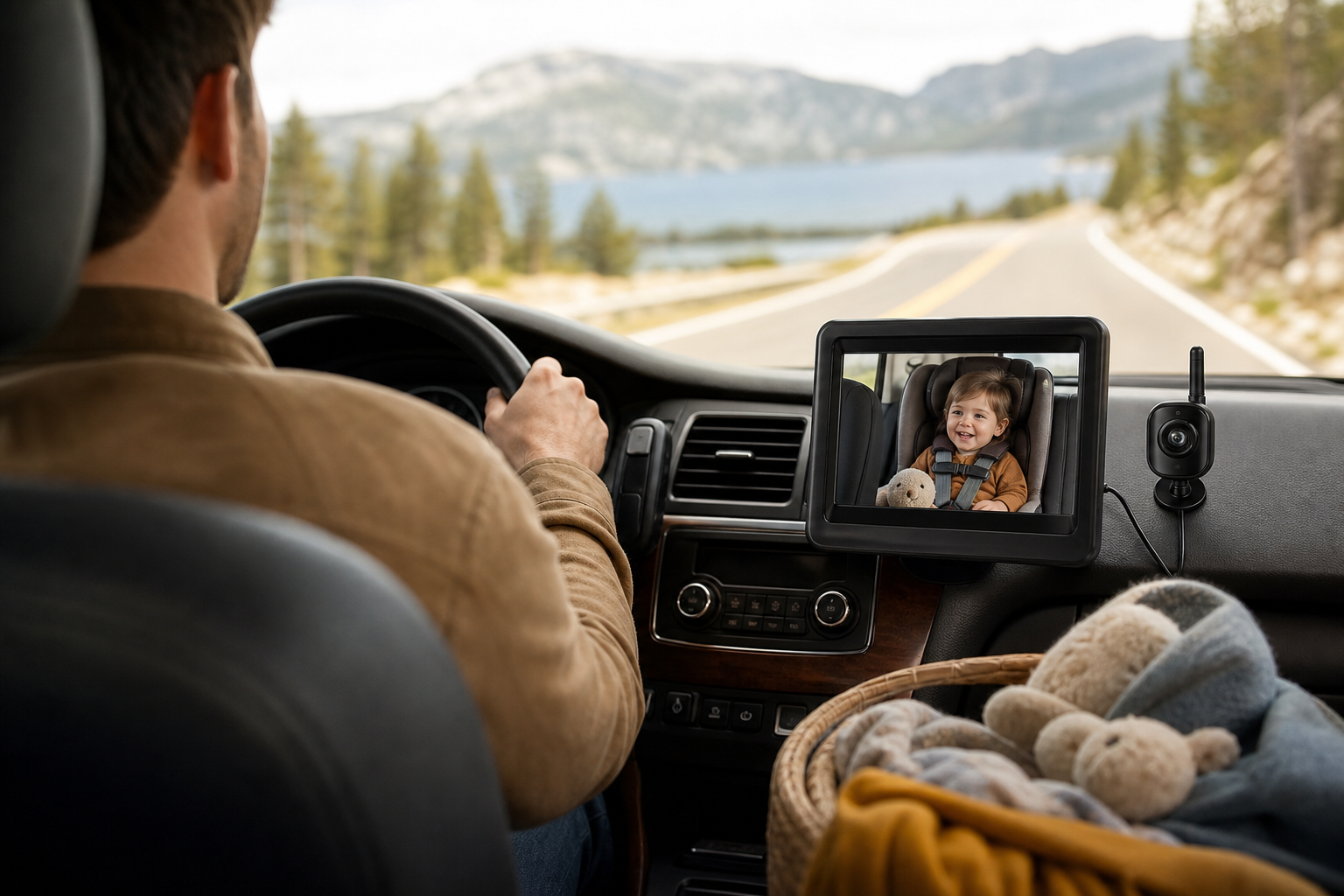
Long road trip plans are usually made with a lot of optimism and very little time for reality checks. You pick snacks, a playlist, and one emergency charger. Then you realize your child is already awake, the cooler is leaning like a small boat, and you are checking the side mirror every ten seconds because your back seat is not always visible. The goal here is not to panic, just to make that moment easier.
If you have been watching Prime Day deals and wondering which family gadgets are still useful after the big weekend hype, this is the type of pick that can still be worth attention: not flashy, not expensive in the way that breaks your budget, and not a gadget you buy because the page looked shiny. It is a small aid for peace of mind: knowing what is happening in the rear seat before your eyes have to do the full tour.
I am writing about one specific item with a practical lens, not a speed run through every child monitor on Amazon. The product is the OTTOCAST Baby Car Camera & Wireless CarPlay Adapter. The point is not that this is the most advanced camera ever, but whether it can reduce stress and fit into your routine without becoming shelf clutter.
Post-sale sanity: why this product is not about hype
After a major discount event, product feeds often feel like a carnival. Every listing has three badges, one coupon bubble, and one phrase like "best for parents." The first rule I use is simple: if the item solves a repeated real problem for your own home, then a sale is bonus, not the main reason to buy. In this case, the real problem is blind spots and distraction during short drives with kids, grandparents, or pets in the back.
This model aims to solve that with a direct view on the car screen so you are not swapping your attention between two separate devices all the time. If you do a lot of commuting, weekly errands, or long family drives, a rear-seat monitor can be exactly the difference between constantly checking your side window and calmly glancing once at a useful screen.
The second rule is this: if a product has one clear use case and a clear limitation, it is usually easier to live with than multi-feature clutter. This one is no-fuss in concept. It is for seeing the rear seat better, especially on dark drives and in stop-and-go traffic where your focus should stay forward.
Small product, bigger peace of mind: the good ones make your day feel easier, not louder.
The everyday logic: who this is best for
If your shopping list says "family comfort," "quick route confidence," and "less chaos," this is usually the right lane. The best buyers for this style are usually one of these three profiles.
Profile 1: Parents who drive with small children and want a quick visual check without buying a full camera ecosystem.
Profile 2: Families with a rear seat that changes seats and cargo often, where setup can be forgotten and then rushed at the last minute.
Profile 3: Pet owners who transport smaller animals in the back and want non-disruptive visibility during breaks and lane changes.
What this tells you is important: the model is not a replacement for good driving habits. It is a helper for awareness. If you expect it to replace seat checks, buckling discipline, or breaks, you will be disappointed.
How to buy this one after the sale rush without overthinking
One of the easiest mistakes during discount windows is buying based on the sticker and skipping the shopping sequence. Treat this as a short ritual. It keeps the purchase useful and keeps the "I almost bought this and changed my mind" regret to a minimum.
Step 1: Open the listing and scan shipping date and return policy first, before any coupon percentage appears exciting.
Step 2: Check your vehicle setup: do you already have a system that can receive a clean monitor feed without extra adapters?
Step 3: Use the current total once, because savings can look different when coupons and shipping settle in a few hours.
Step 4: Read verified customer questions about setup in your model year and trim; compatibility problems are the top reason for returns.
Step 5: If this is your first week after Prime Day, pause a little. A short cooldown helps you catch hidden shipping or policy changes.
Step 6: When you are ready, compare against one backup item only. Too many options in the cart is where decision fatigue starts.
That sounds a little formal for a family shopping post, but this is the part where many people lose money. The product itself can still be good, and the timing can still be good, if your decision process is calm.
What to expect from one product like this, honestly
In real use, there are two kinds of disappointment to watch for: overpromising and underusing. The camera can help with lane-level awareness and quick checks of a wriggling toddler or a shifting cup, but it does not replace a glance at your mirrors and your own observation. It also does not magically handle every installation issue in minutes. Some car screens are picky, and some mounts are forgiving.
So the best mental model is this: this is a practical add-on, not a miracle shield. If your family life is already full of simple routines, this can become one more useful routine with almost no maintenance. If your car setup changes every week, you may spend more time fiddling than it is worth.
Another honest lens: one camera without a clear use case is decorative tech. One camera that matches your route habits is practical tech. That is the difference between owning a tool and owning a dust collector.
How the post-prime-day value can still stay real
The biggest source of price confusion in major sale periods is not the discount itself. It is the sense of urgency that turns every small number into a once-in-a-year decision. A better approach is to treat every listing as a conditional value: useful if it still fits your routine for at least three actual trips.
Here is the simple test I use. If the item is still in your cart tomorrow, and you can still explain exactly when you will use it, then the purchase is probably valid. If you can only explain "because it was cheap," pause and reset. Cheap items still need a fit test.
As a bonus, this helps with deal comparisons too. Instead of comparing three random monitors, compare one current option against one backup that already has your known compatibility. That keeps the decision concrete and avoids scrolling fatigue.
Who should skip this and move on
There are sensible reasons to pass. If you only drive very short distances once a month, if your car already has a dedicated monitor setup you trust, or if your family prefers ultra-minimal dashboard space, this can be excess. A deal should still buy usefulness, not a checklist item.
Another skip case is mismatch between expectation and car setup. Some owners need a more advanced kit with stronger mount options or extra controls. This model is meant to be straightforward, which is also why it is strong for families who want simple monitoring.
Final verdict after the sale season hype
My opinion is simple: if you are already juggling children, luggage, and route stress, this product can make the in-car rhythm calmer with a modest setup effort. If you are a gadget hunter by nature and you love one more tab to manage, your value from this pick will drop fast. The most useful technology is often the one that disappears into your routine and lets you focus on the real trip.
If you want to review this option for your current setup, open the listing here: OTTOCAST Baby Car Camera & Wireless CarPlay Adapter on Amazon. Check compatibility, shipping, and any visible coupon on your screen before checkout, then decide with one calm pass through the list above.