
Pet Nail Care Without the Drama: A One-Tool Trim Routine
Pet nail care works best when it is planned, not when it is treated like an emergency. The most stressful sessions happen because people try to finish everything at once.
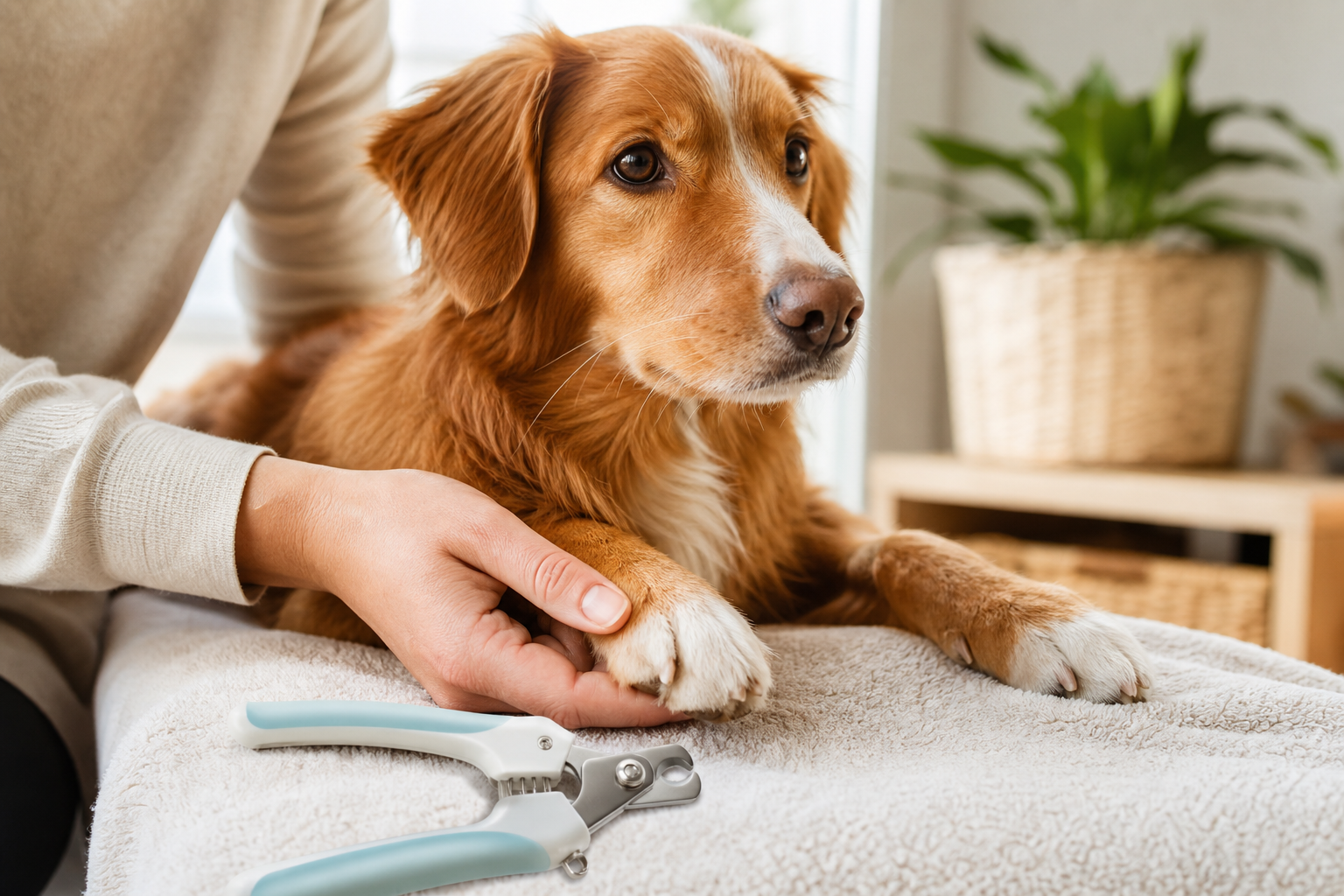
Pet nail care works best when it is planned, not when it is treated like an emergency. The most stressful sessions happen because people try to finish everything at once. This guide is for a calmer, recurring routine with one combined tool.
Affiliate link: YOMEYOT 2 in 1 Pet Nail Clippers and Grinder. The goal is simple: fewer rushed moments and fewer skipped sessions.
Why one tool can be enough
Most people buy extra tools, then still feel overwhelmed. A clipper and grinder combo lowers swaps and can reduce panic because the process stays shorter. This is useful when your home needs repeated monthly trimming and everyone follows a shared routine.
- Use one person for tools, one person for rewards.
- Keep a quiet room and bright light for better control.
- Plan short sessions and realistic expectations.
Pre-session checklist that saves your day
- Choose one calm time when your pet is not overexcited.
- Prepare treats, towel, and a waste cup before handling paws.
- Test tool movement on a safe corner before clipping.
- Set one timer for five minutes to avoid over-run.
- Stop if stress rises and resume after a two-minute reset.
This is the backbone. Without it, sessions usually drift into a chaos spiral.
Two-part execution flow
Use the clipper first to reduce length, then use the grinder to even edges. Do not try to grind first and do not overwork each nail in one pass.
Good flow looks like this:
- Clip three to five nails first.
- Pause, reward, and check the pet reaction.
- Grind the same set briefly for smooth finish.
- Repeat in small blocks instead of rushing full-body completion.
Short blocks keep trust high and noise low.
Noise and spacing for less drama
Sound can stress pets before you even start. A low-noise tool helps, but your pacing helps more. Turn off distracting TV audio and keep one steady voice. Nervous pacing is contagious, calm pacing is also contagious.
Common mistakes to avoid
Three mistakes show up almost every month:
- Trying to finish all paws first because the clock is ticking.
- Skipping post-use cleanup and expecting next month to be easier.
- Forgetting to remove temporary parts and making tool control slower.
These all make your process harder. The fix is smaller sessions and a clean close.
Post-session care in one minute
Wipe the clipper head, remove debris, and place the tool out of reach of children until fully dry. A quick cleanup is faster than skipping and searching for lost parts later.
If your pet is really anxious
When the pet becomes tense, stop and reset. Offer food, rest, and a short walk, then attempt only a few nails. The goal is successful completion over perfect completion.
If stress stays high, one small session every few days is better than one long battle.
Consistency beats urgency, and routine beats panic every time.
FAQ for owners
How often should we trim? Many homes find every four to six weeks practical, then adjust by activity level.
Is this for every pet size? It can work broadly, but small adjustments are needed for very large paws.
Can this replace a groomer? No, it is support for home routine, not a full professional service replacement.
Final practical close
This lane is practical if your home can own a schedule and if pet care is a shared routine, not a surprise event. If both are true, this tool gives you control without drama and without multiplying the number of tools on the counter.
Keep this simple: one routine, one timer, one reward pattern, and one clean-up minute. That is how this purchase stays useful long after the sale ends.
Monthly rhythm and the no-drama formula
Here is one practical calendar that works for many households. Week one: short clip session plus rewards. Week two: same sequence, but shorter at noisy paws. Week three: same process, but with a second rest period. Week four: review what changed and reset only one habit.
The tool is useful when this rhythm repeats. You do not need perfect pet behavior; you need a consistent plan. If one month your pet is especially tense, cut the block to two paws and repeat after the stress interval. Finishing the whole job in one run feels like a win, but consistency over time is the better win.
As with every care routine, timing and calm matter more than speed. A grinder that is clean and used in short bursts causes less stress than a perfect but rushed attempt. This is a hard lesson for owners trying to save time.
Storage and aftercare tips that keep tools useful
Use one small basket for all attachments and keep it high enough that children do not treat it like a toy bin. A clean tool bag is not a luxury. It is how your next session becomes easier. If everything has a fixed spot, your pre-session checklist becomes fast and automatic.
If your routine slips, reset with a very small goal: one safe short session, one deep clean, one gentle reward. That is still progress, and most owners underestimate how quickly that keeps a routine alive.
When the routine works, the best sign is not quiet fur. It is peace of mind on the same day, month after month.