
How to choose a 15-foot patio umbrella that fits your backyard
Too much direct sun can turn a good patio setup into a scramble; a 15-foot umbrella helps only when size, base, and layout all match your routine.
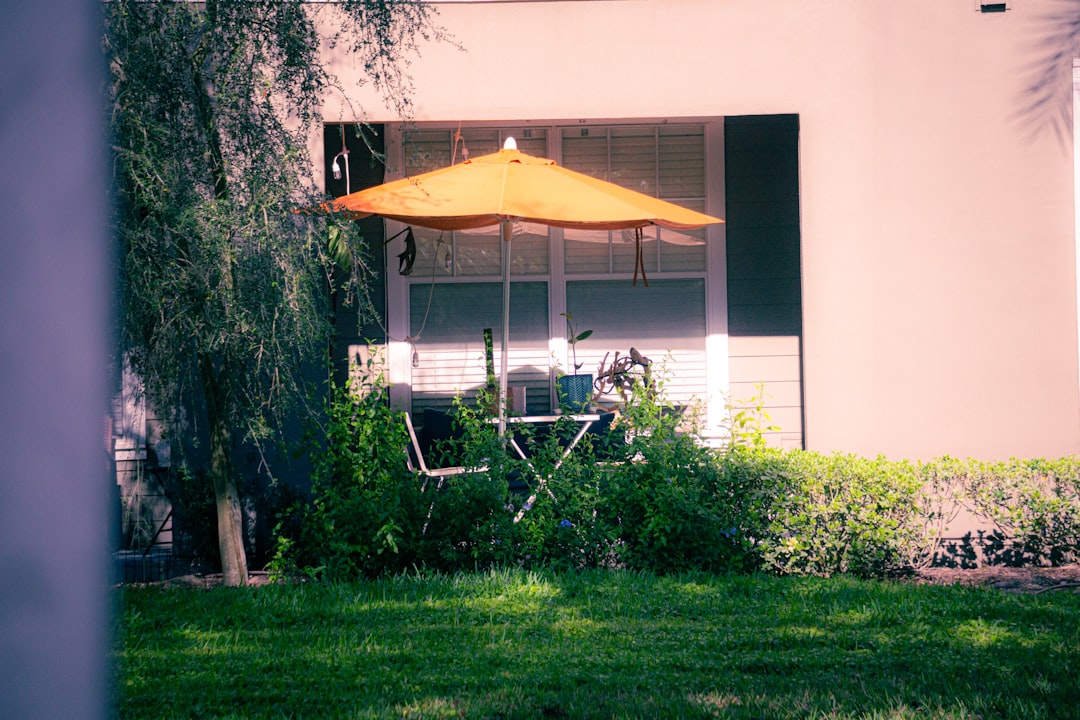
At 6:30 on a sticky July evening, you set out a long table, put the cooler on ice, and then notice a bright patch of sun crossing right through the middle of your patio setup. The food is fine, the music is fine, and then the shade is not.
A lot of backyard owners face this exact moment. They need one shade upgrade, but not a setup that turns an easier evening into a full logistics project. That is why people ask about a 15-foot patio umbrella. The number sounds big, but it can help only if the space, wind, and base setup can support it.
What a 15-foot umbrella changes in daily use
For many homes, a compact table umbrella is a one-person solution, while a 15-foot model can cover a bigger social area. It can keep a dining table, chairs, a side stool, and even a small grill edge in a cooler zone, if the layout is straight and you have enough open ground behind the base.
If your patio is narrow, you probably do not need a giant canopy. If your space is wider than it is deep, it can be a strong fit. Think about the routes people take every day. A lot of umbrellas fail because they look good on photos and block the hallway path from the house to the outdoor seating area.
Who should consider this size first
Start with your routine, not the product specs page. A 15-foot umbrella works best for households that need one central comfort zone: family dinners, weekend drinks, morning coffee, and evening movie setups. It is also useful for people who entertain in the evening because it lets you keep the setup in one place and still use the edge of the patio for circulation.
People who use a tiny patio for one chair at a time rarely gain value from this size. In those homes an 8- to 10-foot canopy can be easier to move and cheaper to store. The rule is simple: if your plan is occasional solo shade, go smaller and skip extra complexity.
How to check fit before you buy
You are not buying a table lamp. You are buying a structure that affects movement, wind exposure, and storage habits. Confirm these points before checkout.
Ground clearance: Do you have at least 8 to 10 feet of clear side space around the canopy edge? A 15-foot umbrella swings wide. A patio corner with low branches or hanging decor can limit where the arms spread.
Height and reach: Make sure the umbrella can open fully without touching lights, fences, trellises, or awnings. You want people to pass under it without ducking their shoulders.
Base stability: The base must hold during normal gusts. Some models use standard weighted bases, but every home wind pattern is different. If your lot is often windy, check if the included stand is enough for your ground surface.
Storage and cleaning: Can you store the umbrella with a routine, or will it occupy the only dry corner by the door? Bigger umbrellas are excellent on sunny weekends and less pleasant when every Sunday becomes teardown day.
Why the Phivilla model is a good shortlist option
The recommended model in this guide is the Phivilla Home 15ft 2-Tier Large Patio Umbrella. It is sold with a crank handle, a base stand, a double-sided canopy concept, and solar-powered LED lights. That gives a useful mix of midday shade and evening usability without adding a separate lighting system.
For the kind of shopper who wants one flexible outdoor anchor, this model offers two real advantages: width and air movement from a two-tier setup. Double-layer canopies usually feel cooler than thin single canopies because they reduce direct heat and glare. The LED strip is a steady convenience for late evening, especially when you want a stable focus on the patio.
On the shopping page, the Amazon product name and URL include the required affiliate tag, so this link stays within workflow policy:
Phivilla Home 15ft 2-Tier Large Patio Umbrella
How to decide on the right width and placement
Do not let the number alone decide. A 15-foot canopy is generous, but placement makes it either useful or annoying.
Start with the center point and imagine a 15-foot circle. Anything inside gets primary shade. Then place chairs around the intended center and confirm where people walk.
Open the grill fan and imagine the deck path. If one chair constantly lands outside the shade zone, either reduce the active area or choose a smaller canopy.
Finally, confirm the stand and hardware path, then simulate a breeze. A short fan test gives a rough idea of drag direction, especially if your patio has a wall nearby.
This is not scientific wind modeling, but it catches setup mistakes before delivery day. Most complaints come from owners who install first and only discover movement problems a week in.
Simple maintenance so the umbrella stays useful
Big outdoor products are still outdoor products. The practical care plan should be short enough to follow.
Every use: if rain arrives, fold and store the umbrella once it dries enough to avoid odor and mildew in seams.
Every few weeks: wipe the frame and joints with a damp cloth and check for wobble or loose screws.
Every few months: inspect the base and crank assembly. A tiny loose screw is easy to fix now, and difficult to ignore later.
A 15-foot canopy gives less strain than a tiny one when many people move around it, but the fabric and moving joints still need routine checks. This routine is easiest if you add a monthly reminder.
When a large umbrella is not the right move
There are homes where a pergola or retractable awning is a better answer. If your patio is long and permanent and you host many guests, a fixed structure may fit better than a moving pole. If wind is constant and your area has no storage, a lighter canopy can be safer and easier to manage.
If you already have a pergola but want extra shadow in one area, a 15-foot portable umbrella still works as a temporary module. It is not the only solution, just one useful option in a larger setup.
A smart setup checklist before checkout
Space fit: Can the full spread stay clear of walkways and objects you do not want to move?
Wind confidence: Is the base and stand sufficient for your typical weather, or do you need more anchoring?
Use pattern: Will your family and friends use one central zone most evenings?
Budget and storage: Can the size justify the storage space and occasional repositioning?
Link confidence: Does the listing provide clear access to parts and support details?
If most answers are yes, this is a strong purchase direction. If two are no, compare one smaller model first. You can always expand later, but daily friction around a too-large setup is hard to ignore.
One-week test plan after arrival
When the package arrives, run three quick tests over seven days: one late afternoon dinner, one windy afternoon with partial clouds, and one short evening with people moving in and out.
If the umbrella gives practical shade and does not force constant repositioning, you made the right size decision for your actual life.
If not, do not panic. A 15-foot umbrella is not a failure on its own; it is often a mismatch for specific layout shape. That is the useful part of this guide: buying confidence comes from matching size, layout, and habits, not from buying the biggest model on paper.
Outdoor shade is a comfort product, not a decoration puzzle. A wide table, a solid base, and an open walking path often matter more than the product label. Choose a model that fits your yard rhythm, then make a steady routine with it and your group will notice easier evenings.