
Portable Car Jump Starter with Tire Inflator: A Road Trip Backup Worth Checking Before You Need It
A dead battery and a flat tire are a pair of surprises that can stop a trip cold. See how a compact jump starter with a tire inflator can keep your plan, luggage, and peace of mind intact when the road does not cooperate.
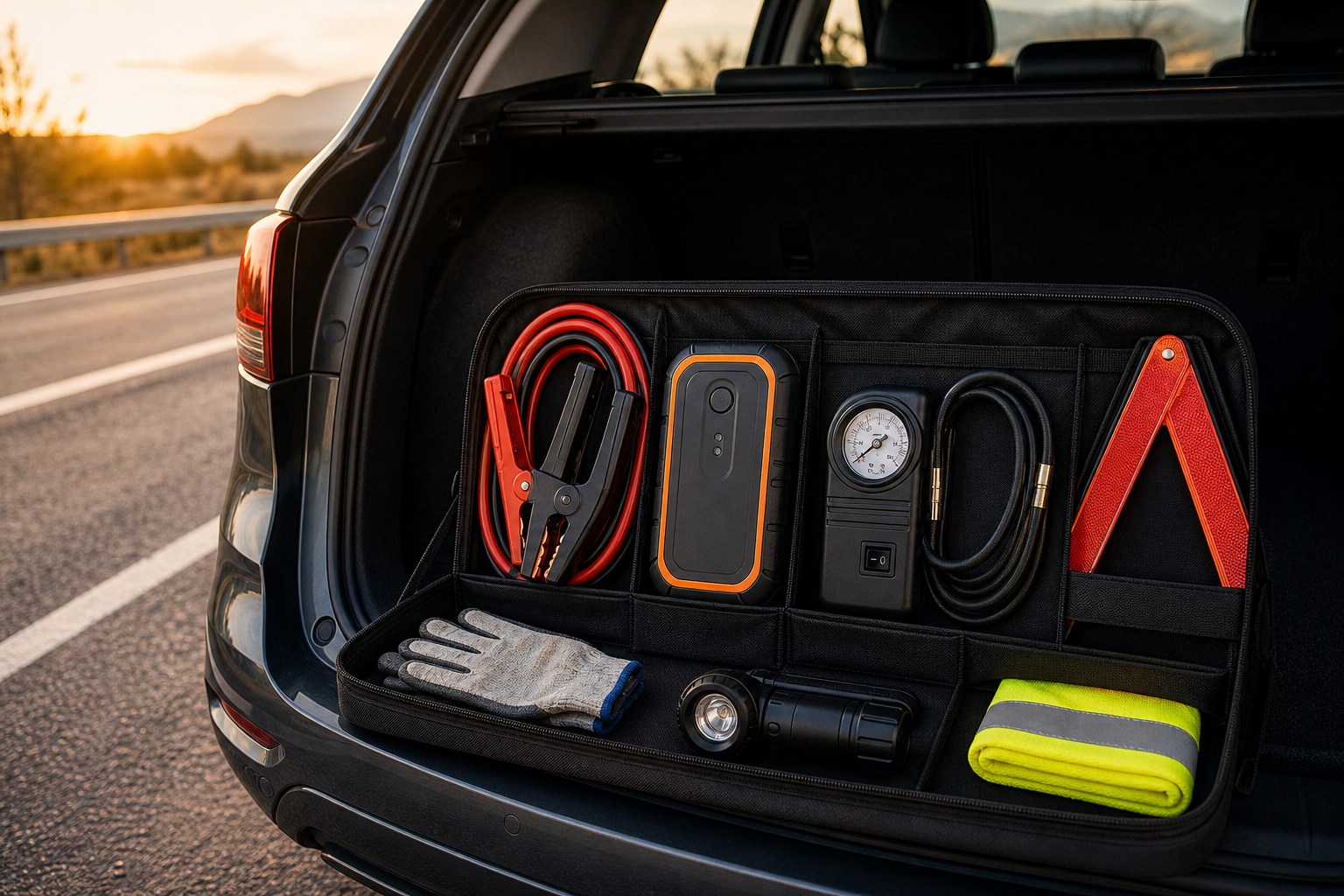
At 8:20 in the morning, your phone shows a green route, the songs are good, and the car smells like coffee and sunscreen. Then the dash beeps: low battery, then low tire pressure. In that moment, it is a lot easier to panic than to plan. This post is about keeping that panic to a minimum before you ever meet it.
Most drivers think of emergencies as all-or-nothing events: a major breakdown, a tow truck, or a rescue call. In reality, many roadside problems are small but urgent. A battery that will not turn the engine over and a tire that deflates slowly over lunch can both ruin a short trip. A compact jump starter with a tire inflator gives you a second layer of control that fits next to your charging cables and snacks.
The device in this guide is the Hieha 4000A jump starter with 150PSI tire inflator, 12V support, and 15000mAh battery bank. The model also includes a light, which helps when you have to troubleshoot at night. You can find it here with the required Kivoras affiliate tag: Hieha portable car jump starter with tire inflator on Amazon. You are not buying hype in this section, you are buying options: jump the car, top up a soft tire, and get moving again with one small unit in the trunk.
A jump starter is not a replacement for vehicle maintenance. It is a tool for a specific set of situations, and it does best when you already know the limits of your car. The first question is who should care. If you drive less than once a month, keep a full tank, and avoid highways, this product may sit unused for years. That is still useful, but not efficient. If you do any of these three things, it becomes less of a gadget and more of a useful travel habit:
- Commuting through cold weather, where voltage drops can appear without warning.
- Making cross-country or weekend road trips with family, gear, and frequent parking lot charging gaps.
- Storing the car outside, where heat cycles and weather expose you to battery and tire stress.
What makes this class of tool practical is its combined purpose. A separate jump box and a separate inflator are common tools, but they usually cost more space and require two charging routines. Combining both means fewer charging outlets to remember and fewer dead batteries of another emergency tool itself. Many people buy a pump and a jump pack on the same trip and then forget to charge one of them. That is where this hybrid gets interesting.
Before checkout, compare real specs and fit in your use case, not only size labels. Start with power capacity and peak output in your vehicle category. A compact unit is no good if its cables cannot hold with your engine size and temperature conditions. Next, check whether the tires you use are commonly repaired with built-in air top-up routines. If you own older rims with odd valves or carry a spare as a backup plan, your choice changes. The Hieha model is a strong fit for small to mid-sized daily-use cars and compact travel setups, according to the product naming, but exact compatibility should always be verified against your owner guide.
Why people still buy this over a basic charger
There is a practical difference between portable power for electronics and engine-level emergency power. A phone charger keeps devices active. A jump starter gives a short burst of controlled power to get the engine to turn. When you add an inflator in one body, you also save time. You can bring the car to full tire-safe pressure for city traffic without chasing parking lot equipment, then check battery health with calm confidence.
From a cost-to-use standpoint, this is a classic preparedness purchase. You spend once and hope not to use it, but when you need it, it saves fees, delays, and stress. Roadside support in many regions can be expensive after-hours. Even if you do call for help, having a jump and tire fix option can turn a long wait into a short repair. In other words, value here is less about speed and more about reducing uncertainty.
How to use it without making mistakes
Most failures come from three mistakes: wrong cable placement, rushed safety checks, and bad storage habits. The fix is simple and worth repeating.
- Read the safety notes once before your first trip, not during the moment of stress.
- Check that the jump cables are fully clipped, dry, and firmly seated.
- Use the inflator in short intervals, and recheck pressure after a short drive.
Do not try to jump a vehicle in direct extreme weather without checking the manual and local code. Do not use damaged clamps. Do not leave the device at zero charge after any use. For tire issues, do not inflate beyond your tire warning line, and do not ignore physical damage. Air and pressure are not the same as tire integrity. A cut sidewall still needs proper tire support.
Maintenance is boring, and that is exactly why people skip it. Here is a simple weekly habit that keeps this tool ready: charge monthly, test ports once every couple of months, and verify you still have the necessary cables in the case. If your trunk is already crowded, this habit prevents the tool from becoming an accessory you hope you used later.
If your route is mostly city driving with short distances, you may still keep the unit as insurance. If you regularly drive remote routes, it moves from insurance to daily backup. The same object can serve three roles: emergency start, tire pressure rescue, and temporary power top-up for certain accessories. That is where one unit replaces two separate boxes.
What not to expect
No portable jump starter is a complete roadside repair kit. It will not replace a tire shop, roadside mechanic, or tow service when there is a deep mechanical issue. It will not create unlimited mileage, and it will not fix internal battery aging forever. Use it as a temporary aid, not as a repair substitute. That mindset keeps expectations realistic and your decisions calm.
Before you buy, confirm what you are trying to solve on that next trip: start reliability, temporary tire correction, or both. If you want both, this kind of hybrid is one of the cleaner choices. If you only ever do short campus errands, your money might be better used elsewhere. As with any tool purchase, fit first, budget second, and convenience last.
For the next road trip, this is the part people skip: put the unit where you can reach it with one hand and one lamp. Keep a charger note near it, and put the Amazon link next to your pack list. Preparedness is not about owning more gear. It is about finding what saves time and stress when the script changes on the road.