Pollen Season Friendly Home Refresh: A Small Air Cleaner That Helps Without Adding Chaos
How to pick and maintain one air purifier from Prime Day offers without turning your home routine into a nightly maintenance project.
There is a lot of hype around air purifiers during summer, especially when people say "you need one now" all at once. The truth is more boring and more useful: buy one only if your schedule can support where it stays and how it gets cleaned.
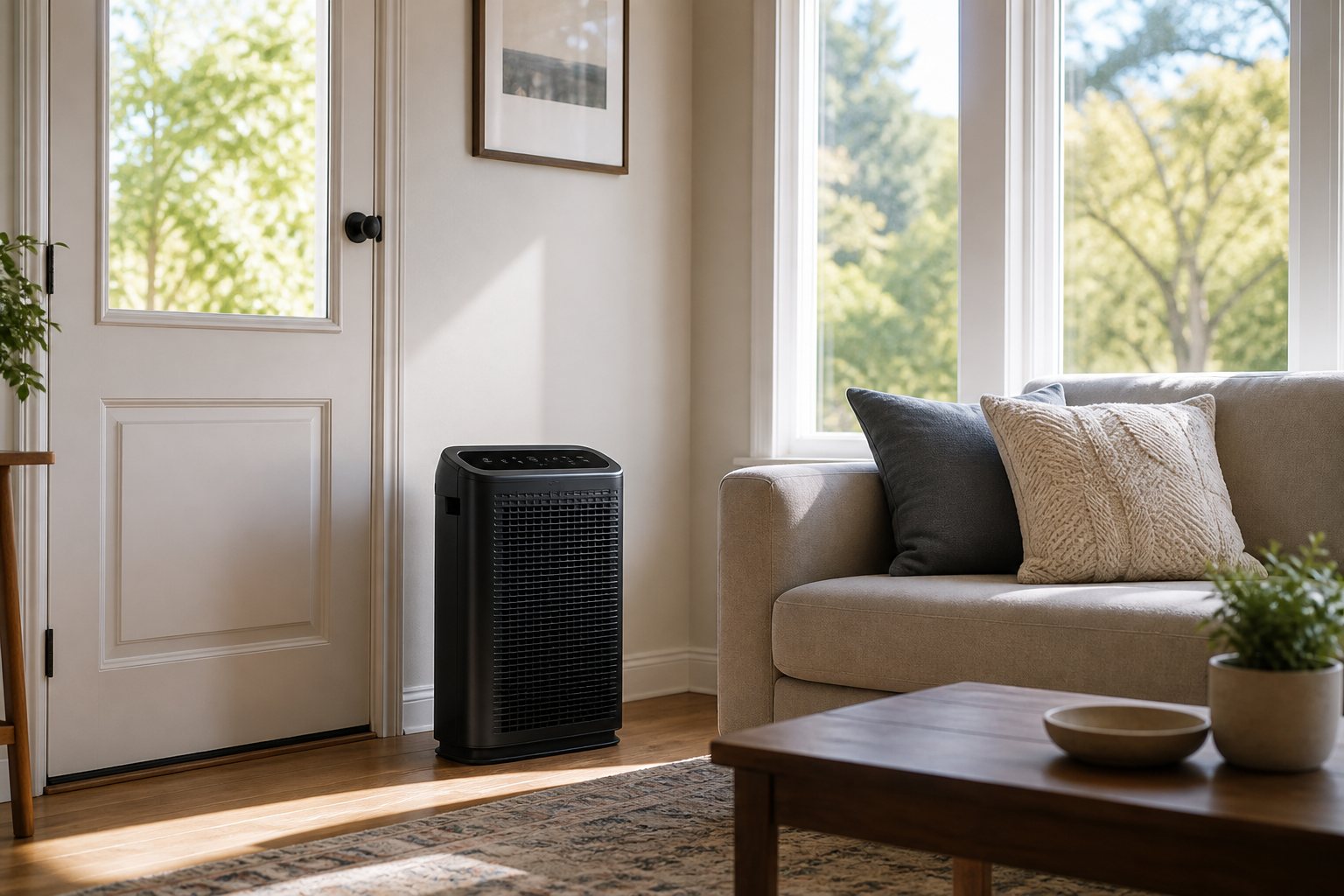
If you want a practical home upgrade that supports everyday comfort, this post follows one lane: the Honeywell CompactHEPA for a small living zone. No gadget chaos. Just one device, one zone, and a routine.
Start by choosing your air problem, not a model list
Most people jump into model pages because labels look impressive. A better start is to name one issue. Is your home dealing with spring pollen, summer cooking smoke, or pet dander. If you mix all three on day one, you will overbuy and under-clean. Pick one problem, one room, and one machine. This is the same idea in every smart purchase, and it keeps your return anxiety low.
In many homes, summer windows are open at sunrise and then shut at noon heat. That pattern alone explains a lot. If your living room gets high pollen spikes in the morning but is closed by noon, your cleaner should be set for short bursts in the early windows, not 24-hour operation at maximum. That matters for noise and electricity bills.
The one-product setup
For this lane, the setup is minimal:
- Find the seat where your main airflow line will stay clear of vents.
- Keep door gaps closed for 30 minutes while the first cycle runs.
- Check filter indicator once a week and dust clean at least once a month.
This is not glamorous, but it is repeatable. People keep a lane only when it is repeatable.
What makes a home lane practical, not a brag lane
Product pages say many things. Home life asks smaller questions:
- Can the unit be moved with one hand during cleaning week?
- Will the fan be loud enough to be heard only when you need it?
- Can the filter task fit into your Saturday routine?
If any answer is no, you are about to build friction. And friction is what drives most returns. Even a good unit can become a problem if it does not match your habits.
That is why this lane is strong for summer: it is a low-drama process. You do not need a second gadget to "support" it, and you do not need an app full of automations. Air feels better when the machine is in the right spot, clean, and used consistently.
How to measure success without data theater
Do not obsess over app charts. Use plain observation plus one simple metric: how often your family is reaching for tissues, rubbing eyes, or opening windows after cooking. If you are seeing less reactive behavior in 5 to 7 days, the lane is paying off. If not, make one change only: move the machine location and reduce airflow speed by one notch. Many people think they need a larger unit; often they need better placement.
Try a two-week rhythm:
- Run three cycles each morning for ten minutes, then stop.
- Track subjective comfort in one line each day.
- Adjust placement one week only if comfort does not improve.
This keeps costs down and prevents the classic "I changed three settings and still hate it" outcome.
The deal window and the household reality
Summer sale language can make everything look urgent. Your job is to ignore the loud banners and keep your lane practical. A good purchase here often looks like this: one focused product, one clean habit, one repeatable placement plan. If your family is not ready for monthly filter checks, do not buy this lane now. Delaying is not failure. It is choosing a better season for a healthier habit.
A lot of people want instant clean air and instant silence. Neither is realistic at the same time on a small budget. Start with comfort gains on one room and decide after two weeks if you want to grow.
The close you can trust
By the time summer evenings get humid and the days are full, your house is already making decisions for you. A small air cleaner can be a useful teammate if it is easy to maintain. If your daily checklist fits your life, this lane usually improves comfort through the season. If it does not, it becomes a standing object in a corner with no user. That is not a home upgrade. That is a silent donation to clutter.
When pollen spikes and guests come over
If your home is in a busy neighborhood or you host family, you will notice short spikes in air comfort. People often think a purifier should fix those spikes by itself. A better approach is a simple two-step rule. First, run one short pre-visit cycle when you expect people arriving. Second, open a second fan path only if the room still feels heavy after ten minutes. This sounds small, but it is exactly the difference between a useful gadget and a forgotten appliance.
Another practical move is to keep the cleaner near shared entry zones but away from direct sun wash from the window. Units run better when their intake is clear. If you remember only one thing from this lane, it should be this: comfort improves faster when placement matches behavior, not when you copy a marketing chart.