
Three sale-season rules for buying beauty and wellness items that still get used
A late-night alert can make one useful beauty item look like a bargain pile. These rules turn sale energy into a practical buying plan that keeps your skin and hair routine useful, not cluttered.
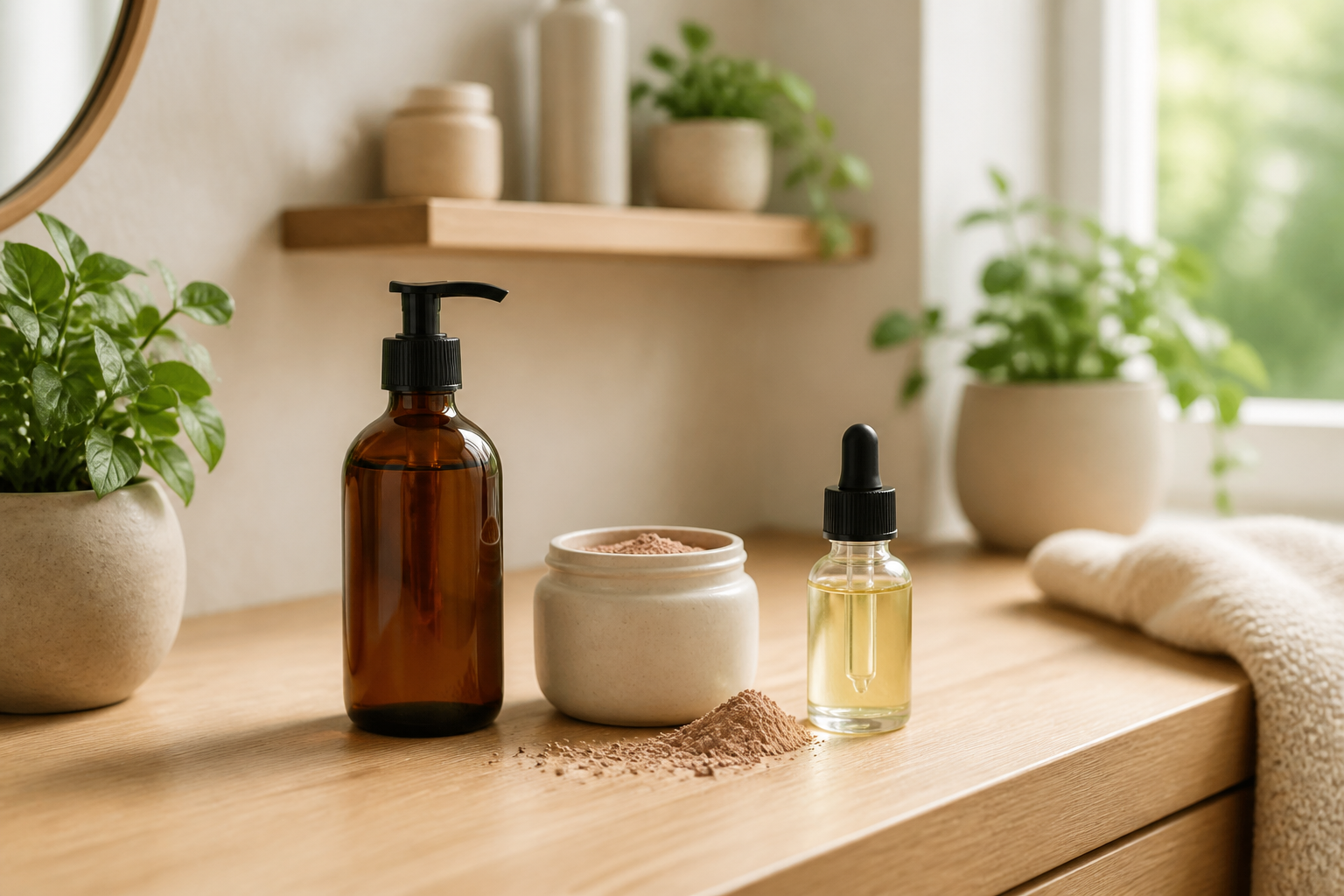
At 11:40 p.m. on a random Tuesday, your phone lights up with a coupon alert for a wellness product you did not plan to buy. A quick minute later, you are reviewing one deal, then two, then another just because shipping is free and the timer is dropping. In the morning, your bathroom looks like a small distribution center. The products are expensive, new, and mostly still in the closet.
The point is not to ignore sales. It is to buy from them with a plan that matches your routine. Most beauty and wellness purchases fail because people buy for the deal mood, not for the real use case. A skincare set might be high quality but useless if it does not fit your current skin schedule. A hair care bottle may arrive with strong labels and big promises, but if you buy it as a mood purchase it becomes shelfware. A supplement can help or not help, depending on how you use it.
Start by accepting that Amazon sale signals are noisy by design. Discount percentage, star ratings, and countdown badges are reminders, not instructions. The way to keep your basket honest is to separate shopping anxiety from shopping need.
Step one: write down the exact need before you click
Before opening any product page, name one skin or wellness outcome you want for the next two weeks. Not one month, not one quarter. Two weeks keeps the goal concrete. For example:
"I want a gentler sleep routine for dry skin" or "I want less breakage after hot tools this week." Then do one more sentence: "I will stop once I have one main product and one support item." If your reason is vague, you will compare too many unrelated items and buy all of them.
Step two: choose a product by use slot, not by deal size
Your bath or vanity usually has three meaningful slots: daily essentials, treatment essentials, and backup products. Daily essentials are repeat-use items like moisturizer, a daily cleanser, or a supplement you already take. Treatment essentials are optional, like a face mask or extra oil. Backup products are only for specific days, such as a travel kit or party prep.
When a sale page appears, ask this for every item: which slot is this supposed to fill? If the answer is blurry, do not add it yet. If a new hair treatment claims to help all hair goals and you are solving frizz and scalp itch, that is too broad. The purchase failed because it lacked a slot.
Step three: apply a 14-day usage test, not a warehouse test
Deals often look better than they should because free returns and fast shipping make the final cost feel smaller. But returning later costs time, effort, and attention. Your better checkpoint is a 14-day usage test for every purchase.
Day 1 to Day 3 - Test for comfort and tolerance. Skin, scalp, and gut sensitivity issues appear early. If there is burning, irritation, or a bad taste, pause the test.
Day 4 to Day 7 - Compare routine fit. Do you use it in sequence with your existing products or does it fight them? Even good products fail when layered over too many actives.
Day 8 to Day 14 - Decide if it improves or keeps things steady. If the result is clear, keep it for the next cycle. If it is neutral and you are unsure, treat it as return material before day 30.
If a product does not pass its slot, purpose, and 14-day use test, move it to your return list, not your future list.
Three products you can check against this framework
Here are three sale-season options for readers who want to apply the rules above now. Use the links with the required tag, compare labels and ingredients, and skip any product that does not match your exact need:
2-Step Stretch Mark Prevention Bundle is a focused skin-care bundle, and a good candidate only if you have a defined skin recovery goal. It is not a random grab because it has multiple steps, so it fits a treatment slot. Use it as an optional support item, not your daily base.
MaryRuth Advanced Hair Care Bundle is useful for hair users with a simple wash cadence. If your routine is chaotic, this product will not fix that by itself. Buy it only after you set a clear times-per-week rhythm.
NeoCell Collagen Peptides Powder can be a useful supplement if you already track timing and hydration. A lot of people expect instant visible change in ten days. Consistency matters more than stacking different wellness products at once.
Notice the pattern across these three links. I am not telling you to buy all three. I am showing how to decide if each item has a real use slot. If only one passes the framework, that one product is the better pick.
How to avoid the buy-more loop
Most sale mistakes happen in the last few minutes before payment. You are in cart, the discount is bright, and your hand reaches for the button. Add one condition before payment: can you use this item before the return window closes without adding another support product? If not, close the cart for 24 hours.
This may sound strict. It is boring on purpose. Beauty and wellness punish inconsistency. A perfect product can still fail if you treat it like a temporary deal experiment and never make room for daily use.
Watch your shipping context too. Health and beauty bargains can look cheaper at first, but shipping can erase that advantage if you mix categories and split packages. Grouping by one routine bucket usually saves shipping complexity and helps you test results with less confusion.
Turn your next Amazon alert into a 20-minute plan
When an alert hits, answer six prompts in 20 minutes. First, what exact need is today. Second, what existing product it replaces. Third, what slot it belongs to. Fourth, which time of day you will use it. Fifth, what the return rule is. Sixth, what success metric means yes or no.
There is no trick here. You are creating a small filter so the sale buys become useful and repeatable, not emotional. If one item is still unclear after that, skip it and wait for better timing.
Keep a weekly return audit
Each week, review what you bought and what you actually used. Keep only products with measurable use. If one has sat for two weeks without consistent use, treat it as a clear return candidate.
The result is usually less hype and less cupboard clutter. You will still find value on sale, but you will buy fewer random items and more aligned ones. Your routine gets simpler and easier to maintain. You may buy less, but you will use more of what you buy.
Amazon will always show a shiny percentage tag. You do not have to let it decide your routine. Define a need, assign a slot, run a 14-day test, and keep the review log honest. If a product does not match your use case, skip it and wait for a better fit.
If you found this useful, remember that links may include affiliate tags. We only recommend products worth testing, and all shopping choices should pass your real schedule, not the timer.