
How to Turn Amazon Deal Alerts Into a Smoother Travel Tech Routine
A short, repeatable cart routine keeps coupon windows from turning into a panic and helps you buy travel-smart tools that you actually use.
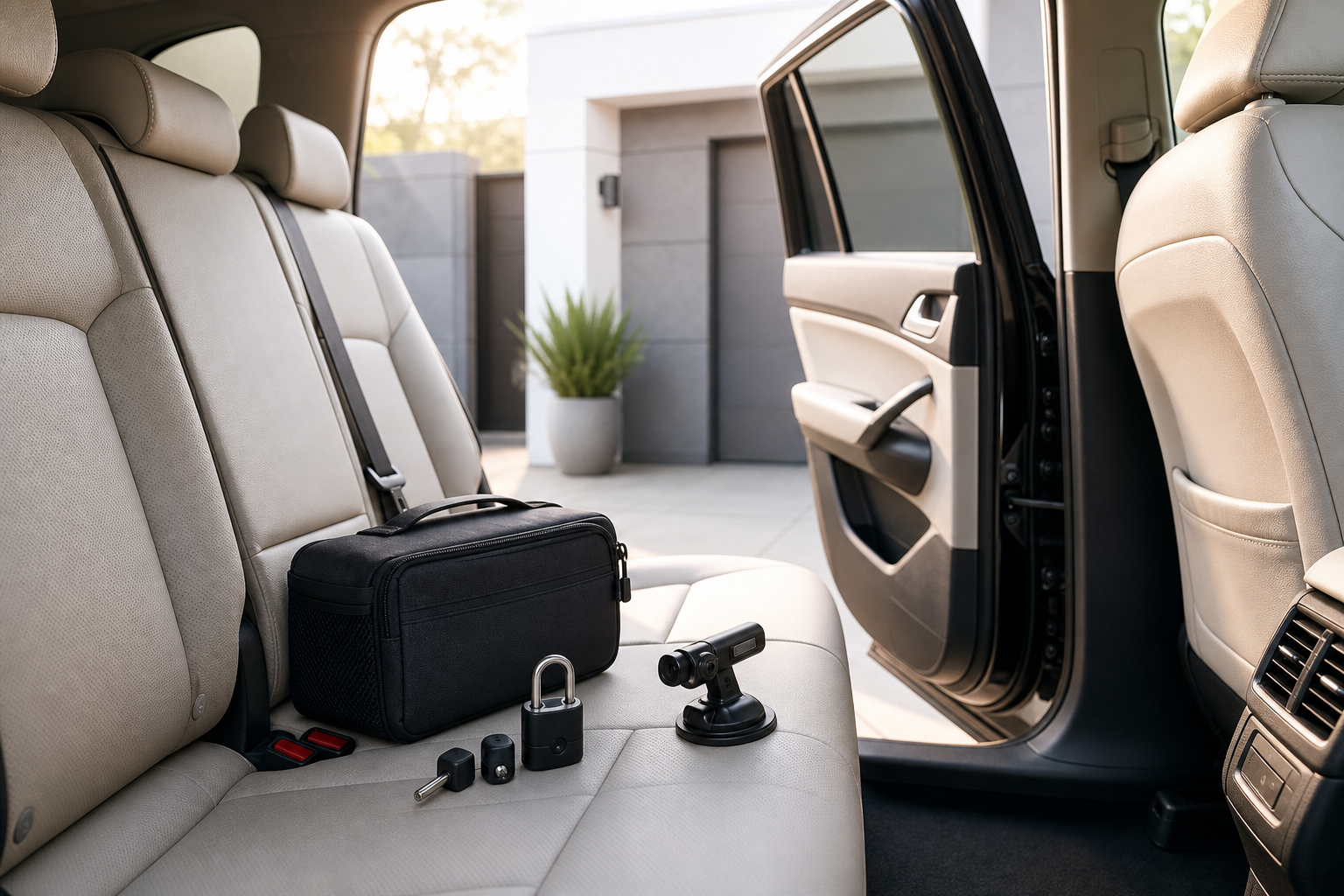
At 8:30 p.m. on a Tuesday, your phone pings with a second surprise sale on a cart item you already added three hours earlier. You still have dinner to cook, a toddler asking for snacks, and a weeklong trip to plan. In that moment, the best move is not another frantic tab shuffle. The easiest way through is to turn the deal alerts into a three-step routine.
Why a routine is better than a panic scroll
Amazon deal windows move fast, but most shoppers make the same four mistakes. They check too late, compare too little, and click too quick. What gets skipped is the boring part, and that is where the money leaks out. A repeatable routine means you can keep your scorecard tidy. It also means you do not have to explain to your family why you bought three chargers and still missed one needed item.
Think of a smart shopping routine as a checklist for calm. The first goal is not max savings. It is zero regret. We will use three practical items to make that happen: a product lock item, a visibility item, and a storage item that keeps your trip prep from becoming a dig-through-the-car mess.
Step one: lock in your must-own item first
For a travel home extension setup, the first product is a keyless RV or trailer door lock accessory that is practical during moving moments. The reason to start here is simple: this item can be a deal magnet, but only if it stays in the routine. The current option below is sold with the ONNAIS keyless lock set. That long phrase in the listing name is enough to know it is a fit-focused product. This is a security-adjacent buy, so your checklist should begin with where and how it gets used, not how cheap it looks in a banner.
Set three quick rules before you open the product page:
- Will this item fit your door type and height?
- Can it stay mounted without a new install tool sprint?
- Could a coupon end before this weekend if your checkout is delayed?
When a deal lands, you should be able to answer those three in under ten seconds. If one answer is weak, skip the item. That one move keeps you from buying something that would be a shelf ornament by morning.
Step two: watch the route, not the hype
The second item is a camera style setup that helps you watch the route and keep distractions low. Many families already know this one by a different use case because it is often seen as a road trip upgrade. The listing of interest is OTTOCAST baby car camera, and the point is not to start a deep review of camera chips or frame rates. It is to decide whether you need rear visibility in your daily routine.
In practice, pair one deal window rule with this product type: if the listing shows a discount, wait for your own watchlist confirmation from your own alarm clock or app reminder. If the same item is still there after one scan and your budget still fits, add it. If it drops again and you have no clear place to use it twice in the next month, let it go.
Most shoppers lose focus because they compare every angle with perfect setup videos. You do not need that level. You need a practical answer: this camera helps with one recurring annoyance you already have, and it saves time during each family trip. That is why it earns a shortlist slot.
Step three: stop losing small essentials in big bag chaos
The last part of the routine is the unglamorous one. A decent car armrest storage bag can remove a lot of chaos. The referenced listing is this 4-in-1 car armrest storage bag. Most people think storage is a soft category. It should be one of your hardest categories, because every time you pull a small item out of a pile, you lose momentum and often spend more at the store.
Here is where your deal routine gets easy and real:
- Predefine a single purpose: snacks, meds, cables, and receipts only.
- Before checkout, picture the bag in the exact seat you use daily.
- Buy only if the discount saves money after you factor in your planned usage.
If the bag is on sale but the use case is fuzzy, skip it. Deal math without use case is not a math problem. It is wishful shopping.
How to run the routine in one hour
This is a practical timeline that keeps the routine short:
Before 7:00 p.m.: note your top three trip-related categories and open only two pages per item. Your objective is to avoid ten random open tabs. If one item fails fit checks, cross it immediately and move on. This keeps your attention on items that can actually be used.
7:00 p.m. to 8:00 p.m.: open a timer. On sale alert, you have one coupon-check pass only. Add the item, then wait. No more than one pass. This avoids coupon burn from over-editing the cart.
After 8:00 p.m.: take the stack with two final questions: Is this stack realistic for the next two weeks, and can it be returned or exchanged if not used? If both are yes, you keep the stack. If not, remove one item and keep the cart clean.
Deal hunting becomes cleaner when you treat it as a repeatable workflow instead of a performance. A short routine gives you confidence when the countdown clock appears. It also keeps your family side of the car life from becoming a production line.
How to spot the subtle bad deals you might miss
There is a common pattern that makes a sale look generous but not helpful. The price drops, then the shipping time stretches, and a coupon applies only to selected SKUs. You can avoid this in two simple checks:
Delivery reality check: if a sale is not useful this week, do not buy for a future panic. Use date and route context first.
Usage frequency check: if the product is not used at least once a week, it may be a temporary fancy purchase. Fancy is fine. But fancy without repeat use is usually not a budget win.
For the three products above, this means asking a hard question on each:
- Does it reduce a daily trip friction point?
- Can it stay part of your routine for at least a month?
- Will your household still have the same cart calm after the clock ends?
If any answer is no, skip the deal, even if the percentage number looks seductive.
Keep a real budget rhythm after checkout
Once the sale closes, the routine still has one more step. You have to close your own loop. That means writing three quick lines in a note app: where saved, where used, and whether it felt worth the click. The best trackers are simple and honest, like:
Savings: what changed on your spend plan. Use: where the item helped your routine. Next action: keep, swap, or skip. With this in place, the next sale gets easier because your decisions start from your own data, not ad copy.
The point of this strategy is not to become a deal machine that never spends. It is to spend less with less stress. A stable routine lets you enjoy coupon windows as a regular utility, not a race. If a travel tech item helps you move faster, keep it. If it creates noise in your cart, send it back to the list and wait for a cleaner season.
If you want the same mindset for kitchen gadgets or home devices, the routine still works. Start with one must-have use case, add one visibility helper, and finish with one storage or organization layer. Keep the routine and you will be surprised how often the right deals arrive at the right time, and the wrong ones pass by without pulling you out of your day.