
Countertop Dishwashers for Small Kitchens: How to Tell if It Is Worth the Counter Space
Countertops feel crowded when dinner gets busy fast, so this guide helps you decide if a compact countertop dishwasher fits your real routine.
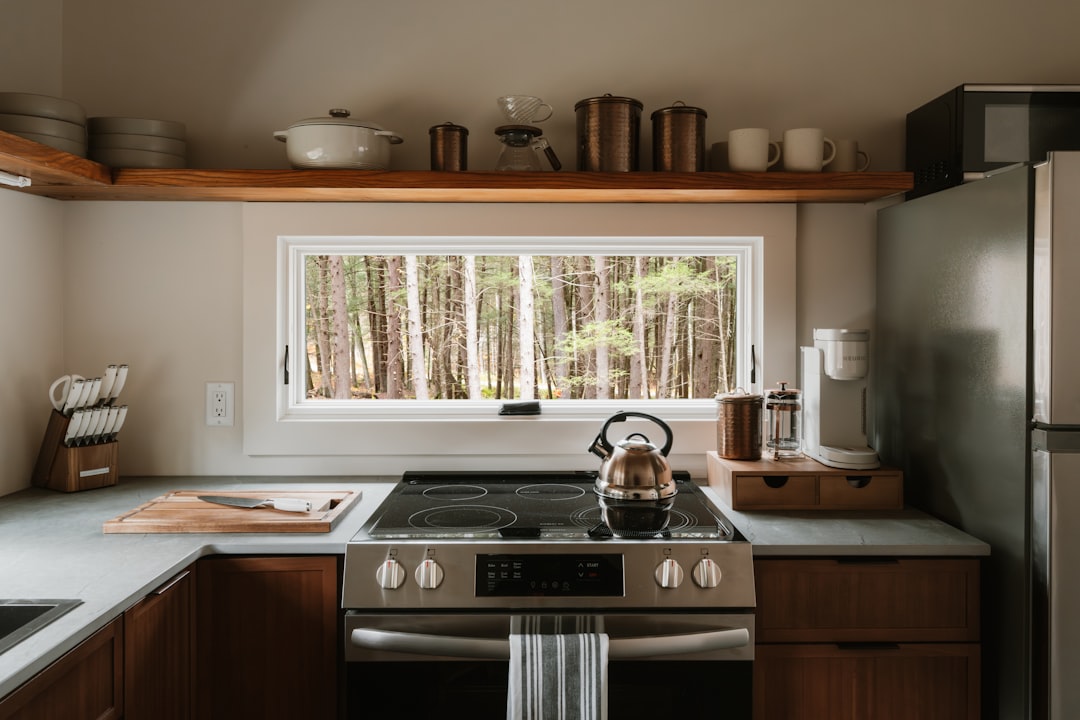
If your sink keeps losing the counter to a damp mountain of plates, bowls, and snack dishes, you are not being dramatic. Most small kitchens run on a strict budget of inches. Every item on the counter earns its place, and each thing not in use looks like a tiny tax. A countertop dishwasher can be a smart hire for that moment, but only if your routine can really use it.
Many people ask for a dishwasher when what they want is simply a faster cleanup. That is the wrong question. The better one is: can this tool replace a habit, not simply add another layer to the sink. In a compact kitchen, useful additions usually pass this test.
Countertop models are small, self-contained units with a pump, controls, and usually a built-in water tank. They do not require a dedicated floor drain or plumbing hookup, which is why they fit apartments, condos, and places where you want flexibility. If your space has a full-size dishwasher and a roomy utility nook, this is usually overkill. If your sink is constantly overfilled before dinner is done, it may be a strong trade-off.
What a small countertop dishwasher solves
In a small kitchen, people usually have three cleanup pain points:
- Hand-drying and wiping takes longer than cooking.
- Dirty dishes pile up while meals are still being planned.
- Counter surfaces get crowded and become unstable with open jars and stacked pans.
If you are nodding here, you are describing a realistic use case. A compact unit removes the first two points on busy nights. It does not erase the third. Dishes still need a nearby home for clean ware, and you still need a place for the machine itself when it is off duty.
For example, a small apartment with one sink and two people can use a no-hookup model as a shared rhythm anchor. One partner can load after dinner, press a program, and the other can clear plates for the next meal. The point is not that the dishwasher does all the work; the point is that it turns one repetitive chore into a shorter, predictable step.
Where this device usually does not fit
People are disappointed when they expect the same performance as a full in-counter or built-in dishwasher. A countertop size unit has fewer place settings than a built-in one, handles smaller total loads, and asks for more planning per cycle.
- If your family routinely loads 10-plus mixed dishes every night, this will feel tight.
- If you expect hands-free drying and full sanitizing for every kind of utensil, you may still need a full-size dishwasher.
- If your kitchen already has a lot of motor noise, this unit can add one more sound source to the mix.
None of that is failure. It is just a reality check. The goal here is not to buy a product for the label. The goal is to remove repeat cleanup friction.
Fit checklist before you buy one
This is the part people often skip, and it is also the part that prevents buyer regret.
- Measure counter height and width before opening a shopping cart. A counter slot should leave room for the unit feet and loading path.
- Confirm outlet location and cable routing so no cords cross fragile work areas.
- Check where the drain line exits and whether hoses can stay clear of daily spill zones.
- Verify cabinet and wall clearance for front access and basket handling.
- Plan where the dishwasher sits while not running. It becomes part of your layout even when idle.
- Match basket depth and height to your real dish mix, including cups, lids, and cookware shapes.
If your answers create more unknowns than comfort, pause before checkout and measure again.
Who should likely buy it
Apartment cooks with tight timelines. People who cook quickly and dislike late-night plate marathons often get the best return. They do not need huge capacity; they need reduced cleanup chaos.
RVer and compact setups. A no-hookup model can make life easier when kitchen setups shift or stay compact. Fewer plumbing requirements means easier placement in temporary spaces.
Parents with heavy bottle routines. Readers in this scenario often have mixed loads during the day. A countertop unit can smooth this middle-ground routine better than pure hand-washing.
If your home life is centered around very large weekend dinner sets, a bigger unit is usually the safer long-term buy.
About this EUHOMY model as a useful baseline
The featured model EUHOMY Countertop Dishwasher Portable includes six wash programs and a 5L built-in water tank. These baseline details are useful for everyday flexibility, but still confirm how the unit behaves with your own dishes before it earns prime countertop time.
Use the following questions as your screen before checkout:
- Will the six programs match your normal load mix from cups and glasses to larger plates?
- Is tank refill convenient for your counter layout during busy hours?
- Can the machine sit where airflow stays open and spill cleanup stays safe?
- Are your cycles mostly short and frequent, or long and infrequent?
When a model matches these answers, it becomes an appliance you use regularly instead of a novelty.
Simple math for real kitchens
Think in time, not hype. If hand-washing an evening load takes around 25 to 35 minutes, and a countertop cycle shifts that to set-and-walk moments plus a short unload, you are likely gaining back real minutes per day. If you treat it as a status upgrade instead of a workflow upgrade, the math does not work.
Try this one-week test. Track your normal cleanup time for the same type of dinner load. If the total repeatedly drops, then the machine might earn its place. If results stay similar and you still find yourself rerunning hand wash for overflow items, reconsider and keep looking for a bigger setup.
How to avoid the silent annoyances
Three common annoyances appear after purchase, and they are preventable.
- Using aggressive prep on every item and overloading baskets. Gentle rinse is usually enough.
- Filling baskets until every corner is packed and expecting perfect placement automatically. Moderate loading is faster long term.
- Putting the machine in the one busy traffic path, forcing all movement around it.
None of these are product flaws. They are setup choices, and they can be fixed by planning your counter flow before the first purchase decision.
Closing: a useful decision path
If your kitchen is small but your cleanup routine is also constrained, a countertop dishwasher can feel like calm. If your kitchen is small but your meal volume is large, this can be a short-term bridge with hidden limits.
Use this simple rule: if the dishwasher lives on your counter without blocking your meal rhythm, then it may be a good fit. If it interrupts your workflow every day, wait for a bigger, dedicated setup.
If the no-hookup concept sounds right and you want to evaluate the current option directly, review the unit here: Check the EUHOMY countertop dishwasher on Amazon.