
A Foldable Chicken Coop Is Worth It Only if Your Yard, Noise, and Routine Can Stay Balanced
A foldable chicken coop helps with backyard comfort only if your daily cleanup, space, and setup habits are realistic before the first purchase.
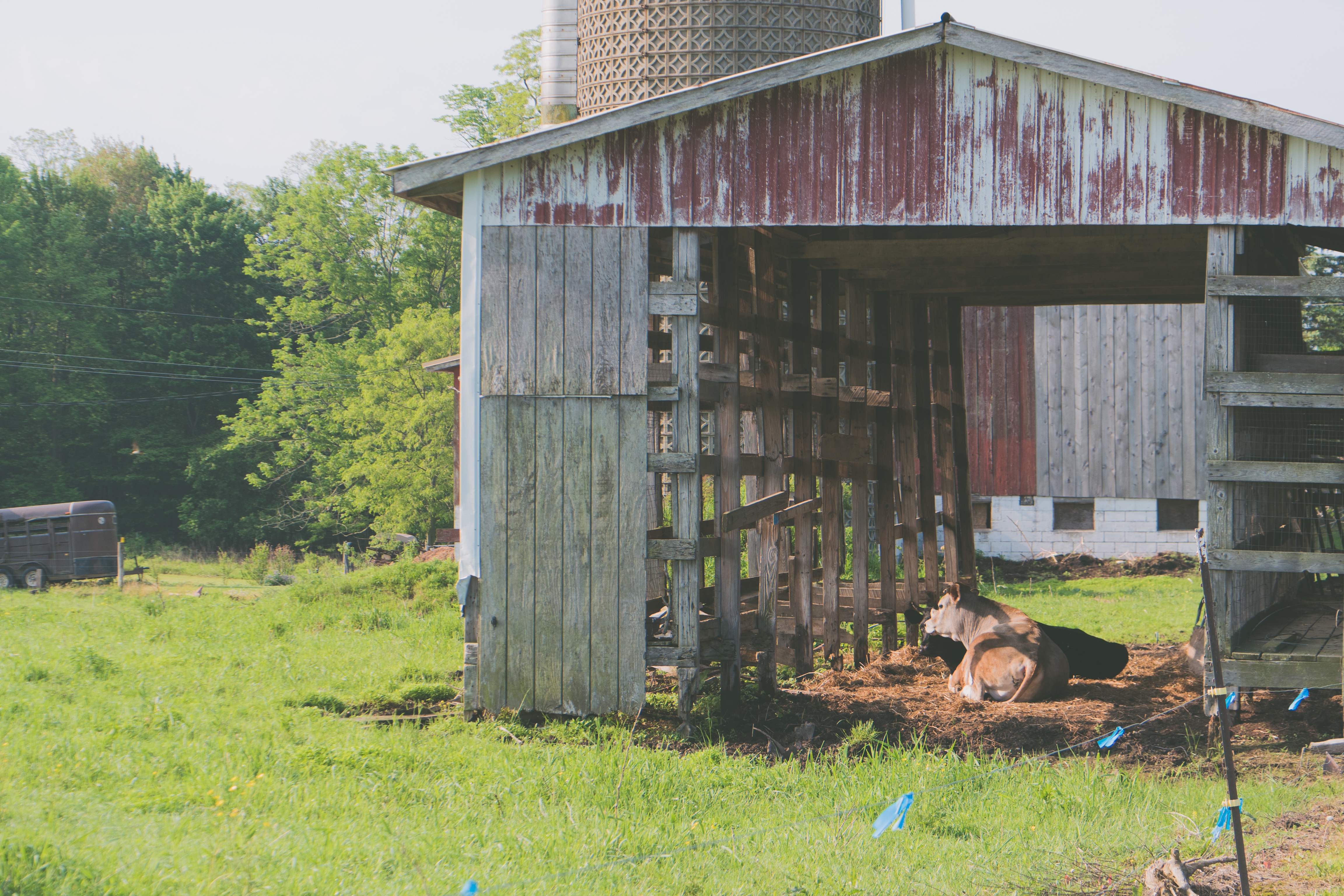
One Saturday in early spring, you carry a five gallon tote of feed across the backyard and the chickens are already waiting for an opening. You clear one corner of the deck, pull out the temporary coop, and move it again before the sun gets too hot. It takes ten minutes to set, but then the morning goes on faster. That pattern is why foldable coops are growing in popularity with small yards and busy houses.
If you are eyeing a compact coop, the decision is less about the design photos and more about your daily routine. A foldable unit works when it makes your weekly cleaning loop easier, not when it looks like a clever gadget you only unfold on weekends.
What foldable means in real use
Not every compact coop is equally useful. Some are lightweight for moving around during the day. Some are foldable so they fit in a garage. Some fold to reduce wind load. These sound similar, but your yard uses each version differently. If you move your coop every day, weight and wheel stability matter most. If you move it only for winter protection, hinge strength and lock points matter more.
A good system does three simple jobs. First, it gives birds a secure resting spot. Second, it keeps daily cleaning within a short loop. Third, it should not force your layout to change every other day.
Do the fit checks before you buy
Run these checks with your yard, more than with the listing photos.
Check one: measure your minimum path. A foldable frame that looks narrow in a photo can still need a wide pull angle because of wheel turn radius.
Check two: test the weather tolerance. If your area gets hard wind or heavy rain, check the side mesh and latch design. A strong fold mechanism does not help if a zipper opens in the wrong corner.
Check three: review maintenance access. Open the cleaning tray area before buying and imagine a full tote day after day. If it requires lifting more than one comfortable box of feed, your plan will fail by noon.
Check four: watch for noise in the area where birds roost. Neighbors can tolerate some movement noise, but not constant rattle at dawn or dusk.
Check five: verify the support legs and frame joints for non-smooth ground. If your patio tiles are uneven, test a low bench before you commit.
Each check is cheap. Each failed check usually leads to an expensive return.
Who this setup helps
Small urban and suburban yards usually benefit the most when space changes with the seasons. A foldable unit lets owners keep a coop visible for birds and discreet for guests, while still moving it for cleanup, shade, or social distance from furniture.
Families with one or two kids often like the foldable idea because setup becomes a short chore instead of a weekend conversion. If there is a daily rhythm you already follow, adding this loop can reduce stress instead of adding tasks.
People who host short pet visits can also use it. A movable, lighter layout is easier to secure and easier to explain to guests.
Who should wait
Skip the foldable option if your yard is already a dedicated pet space with a fixed layout and low traffic. If you never move equipment, a sturdy permanent unit can be simpler and often cheaper over three years.
Skip it if your goal is to avoid cleaning. Every coop, foldable or not, needs a repeatable cleaning routine. If your routine is already inconsistent, the fold feature solves the wrong problem.
Also, skip it if local rules or HOA rules require a specific footprint. In some communities, temporary movement does not replace permit requirements.
How to test it in two short weeks
Pick one week to test one or two clear outcomes, not to perfect everything. First week, track setup time from unpack to feed fill each evening. If this takes under ten minutes by the fourth day, that is a good sign. If it takes twenty, count the reason why.
Another practical check is whether your routine can stay simple. If you can do feed, fold, and cleanup in one short loop, the coop earns its place. If you need a second reminder app to remember every part of the process, simplify first and move to the foldable model later.
Second week, add one new maintenance habit. Fold and unfold once before your first feed, then again after cleanup. If the hinge feels stable and simple with one pair of hands, keep moving. If it already needs two people, you may be fighting the wrong product type.
Keep the test simple: if birds return to nesting spaces quickly, if noise stays reasonable, and if your cleanup spot does not grow. If all three stay calm, the product is likely a good fit.
Maintenance habits that protect your investment
Most long-lived coops are not sold by folding features, they are sold by owners who build habits. Wipe tray rims weekly. Move bedding only from a fresh corner so dust stays controlled. Keep predator protection checks on a shared calendar.
When birds are active, a good routine is better than a perfect one. Spend two minutes in the first week and ten seconds every day after that. That simple loop works better than a big weekly reset.
Also store the folded coop out of sun if your climate is hot. A sheltered spot keeps mesh and lock parts cleaner for longer.
The practical purchase signal
A foldable coop is not a prestige purchase, it is a workflow purchase. If you have a stable routine and a stable spot to fold it, then the feature can genuinely reduce frustration. If your lifestyle does not include a repeatable routine, any model becomes a piece of furniture that needs too much attention.
For a concrete product example, this guide points to the VEVOR Metal Chicken Coop 9.8 x 19.3 x 6.5 foot foldable model on Amazon. Check your local code for spacing and weather handling before checkout, and confirm feeder and door access for your flock size first.
If you are ready to move from random testing to a stable setup, this can be a calm way to test chicken care without changing your yard overnight.