
A Portable Jump Starter and Tire Inflator Is the Road-Trip Backup Plan Your Trunk Wants
Just quiet. Add a hot parking lot, tired kids, a phone at 12%, and a tire-pressure light that has been glowing like a tiny dashboard ghost, and suddenly your relaxing summer drive has turned into a group project nobody...
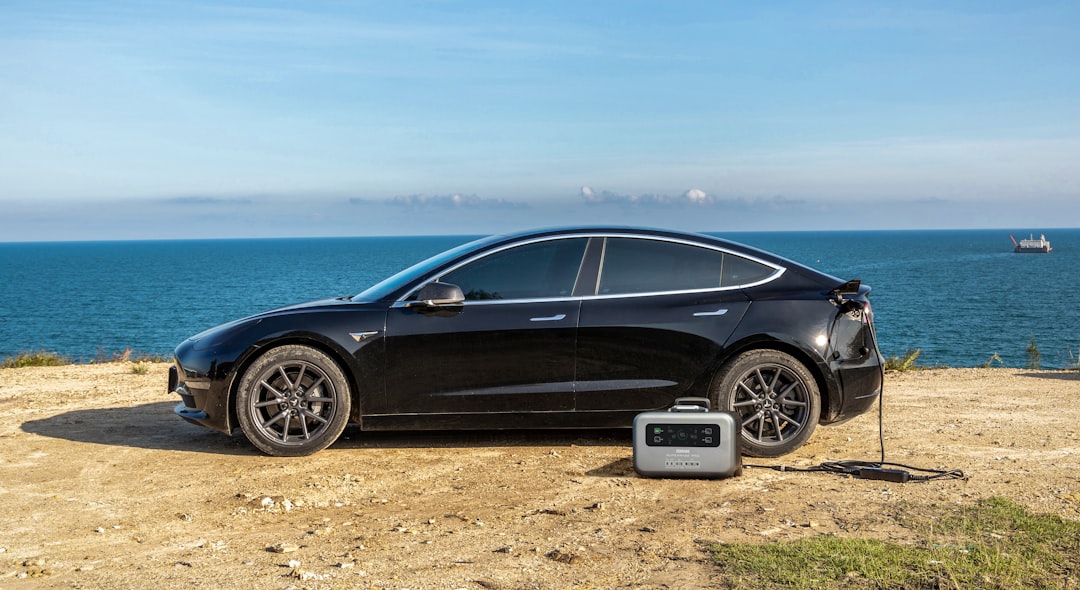
There is a special kind of silence that happens when you turn the key, or press the start button, and your car answers with absolutely nothing. Not a brave little cough. Not a dramatic movie-engine struggle. Just quiet. Add a hot parking lot, tired kids, a phone at 12%, and a tire-pressure light that has been glowing like a tiny dashboard ghost, and suddenly your relaxing summer drive has turned into a group project nobody signed up for.
That is why a compact road-trip emergency tool like the Hieha Spring Outing Portable Car Jump Starter is worth a closer look. The idea is simple: instead of packing three or four separate gadgets, you keep one unit in the car that can help with several very common travel headaches. The listing describes it as a jump starter, tire inflator, power bank, and emergency light in one. That does not make it magic, and it does not replace maintenance or roadside assistance, but it can make small problems feel less like a roadside opera.
The friendly version: what this gadget actually does
A portable jump starter is basically a rechargeable battery pack made for cars. When your vehicle battery is too weak to start the engine, the jump starter can provide a boost through included clamps, as long as the vehicle is compatible and the car battery problem is within the tool's limits. Think of it as the friend who shows up with jumper cables, except it lives in your trunk and never says, "I told you to replace that battery last winter." Very polite.
The tire inflator side is for topping up low tires. That can be useful before a weekend drive, after a weather swing, or when the tire-pressure warning light pops on during errands. It is not the same as fixing a puncture, and you still need to inspect the tire and follow your vehicle's recommended pressure. But for everyday low-pressure moments, having an inflator nearby can save a detour and a little dignity at the gas station air pump.
Why it fits summer road-trip season
Summer travel has a way of making small car annoyances show up at the least convenient time. You load the cooler, snacks, sunscreen, extra sandals, and exactly one more bag than the trunk was designed for. Then the car sits in heat, drives longer stretches, and gets asked to behave perfectly while everyone debates music, snacks, and whether the next exit has decent coffee. A jump-starter-and-inflator combo is not glamorous, but neither is standing near a flat-ish tire while your ice melts. Practical wins.
This is especially handy for drivers who do a mix of normal life and occasional travel: school runs, late shifts, vacation rentals, trailhead parking lots, beach days, grandparents' houses, and the classic "quick errand" that somehow becomes a three-stop tour. Keeping one charged tool in the vehicle gives you a backup for problems that are common enough to plan for but annoying enough to ruin the mood.
Where it can genuinely help
The best use case is prevention. Before a trip, you can check tire pressure, top off a tire if needed, confirm the unit is charged, and place it somewhere accessible instead of under the archaeological layer of reusable grocery bags. If your battery is older, the jump starter gives you one more layer of backup while you schedule a proper battery test. If your phone is low, the power-bank function can help in a pinch. If something happens after dark, the emergency light is better than waving your phone around like a tiny lighthouse.
I also like this category for households with more than one driver. A simple tool can reduce the "what do I do now?" panic when someone gets stuck away from home. The key is to set expectations before anyone needs it: read the manual, understand the clamp order, know where the tire valve adapters are, and charge the unit on a schedule. Emergency gear works best when it is boring. Boring is excellent. Boring gets you home.
What to check before buying
Do not buy any car emergency tool on vibes alone, even if the vibes are wearing sunglasses and holding a road-trip playlist. First, confirm that the jump-starter rating and battery type are appropriate for your vehicle. Larger engines, diesel vehicles, older batteries, and extreme conditions can all change what you need. If you are not sure, check the vehicle manual or ask a mechanic. A tool that is perfect for one compact car may not be the right match for a heavy-duty truck.
Start with compatibility. Match the jump starter's stated vehicle support to your engine size and battery setup, then check whether the inflator and included accessories fit your tires and any bike tires, sports balls, or small inflatables you expect to use. Next, look at the charging routine. Some emergency battery packs need a top-off every few months when stored in a car, and future-you will be much happier if current-you sets a reminder instead of tossing the box into the trunk and hoping for the best.
Finally, check the included parts and the live listing details. You want to know whether clamps, air hose, adapters, charging cable, storage case, and instructions are included. On Amazon, confirm the current price, coupon, delivery estimate, return window, and reviews at checkout. Those details can change faster than a back-seat snack request, and that is saying something.
Who should probably skip it
Skip this if you know you need professional roadside coverage more than a tool, if you drive a vehicle outside the product's stated support range, or if you are not comfortable reading and following safety instructions. Also skip it if your car battery is already clearly failing and you are hoping a jump starter will make the problem disappear. It may get you moving, but it will not heal a dying battery. Cars are stubborn like that.
It is also not a replacement for a spare tire, tire repair plan, routine maintenance, or common sense. If a tire is visibly damaged, very low, or losing air quickly, do not treat an inflator as a permanent fix. Get the tire inspected. The same goes for repeated jump starts: if the car keeps needing help, the real issue deserves attention.
How I would use it in a real routine
Here is the simple routine I would follow: charge the unit when it arrives, read the manual once while calm, store everything together, and set a phone reminder to recharge it every few months. Before any long drive, check the battery indicator and tire-pressure function. If the tool has a preset pressure feature, set it carefully to your vehicle's recommended PSI, not the maximum number printed on the tire. That little detail matters.
I would also keep it with a few low-drama extras: a tire-pressure gauge, work gloves, a reflective vest, a small first-aid kit, and a printed emergency contact card. Nothing fancy. The goal is not to build a survival bunker in your trunk. It is to avoid being completely helpless when a normal car problem shows up wearing its most annoying hat.
Bottom line
The Hieha Spring Outing Portable Car Jump Starter makes sense for drivers who want one compact backup tool for summer travel, daily errands, and those weird little car moments that never happen at a convenient time. It is practical, easy to understand, and useful in several scenarios, as long as you treat it as preparedness gear instead of a miracle box.
If you are already refreshing your road-trip kit, this is the kind of purchase that can quietly earn its space. Check the live Amazon listing for current pricing, coupons, included accessories, and vehicle compatibility before buying. Then charge it, learn it, and hope it spends most of its life unused. That is the best compliment emergency gear can get.