
The One Carry-On Backpack Upgrade That Makes Summer Trips Less Chaos
Let us be honest: most of us do not fail at travel because we do not know the road, the weather, or the hotel.
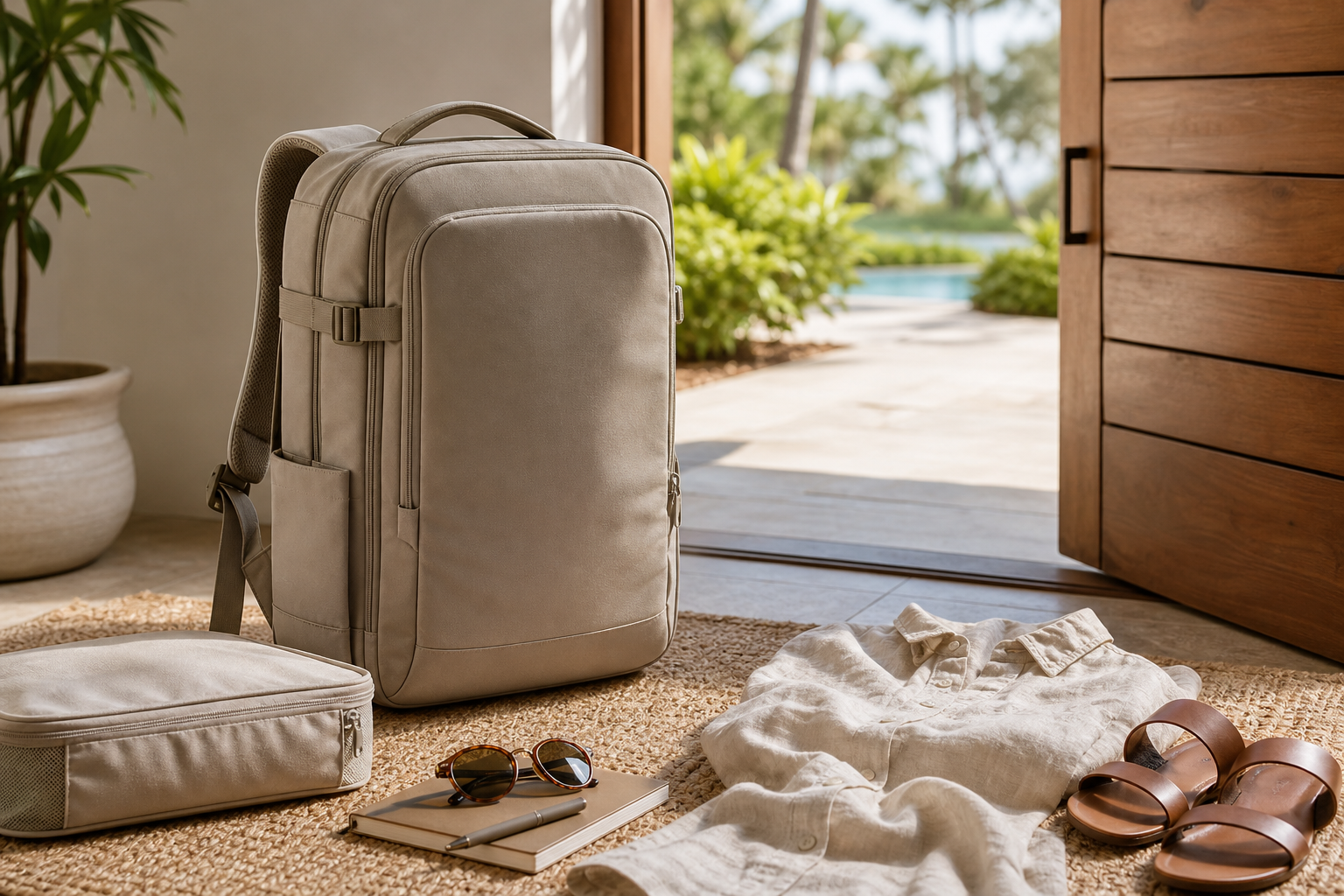
Let us be honest: most of us do not fail at travel because we do not know the road, the weather, or the hotel. We fail because every stop in a trip turns into a tiny scavenger hunt for a missing charger, medication, snack, or blanket for the back seat. On a weekend road trip this can be funny. On a three-hour family run it turns into noise, stress, and a driver who is no longer enjoying the same playlist.
Summer is a good time to fix this because your gear usually grows faster than your routine. A jacket for one kid, a stroller add-on for a cousin, sunglasses for every seat, and emergency snacks become one more item every day. The right carry-on backpack is not a miracle cure. It is a way to stop carrying a pile of loose essentials in your passenger side cup holder.
Why one backpack can replace a little chaos
The specific upgrade I want to build this guide around is the Peak Design Everyday Backpack 20L. Think of it as the travel brain for your carry-on needs. It is not huge, but it is organized enough to hold the stuff most people lose by the end of a day: phone, snacks, passport, meds, and a light layer for warm-cool swings.
For many shoppers, the temptation is to buy three specialty pouches: one for tech, one for toiletries, and one for kids. The setup sounds smart until every bag is in a different corner by the time you leave. A single carry-on with dedicated sections works better when your trip has real friction points, like bathroom breaks, toll line delays, and that one gas stop where everyone suddenly needs water.
"I used to keep a second zip tote in the glove box for snacks and chargers, and still we spent ten minutes hunting at each stop."
"After switching to one bag with fixed pockets, we packed once and moved on."
That sentence describes what structure does. Not personality. Not fancy material. Structure. If your items have fixed homes, your trip has fewer stops in the wrong place: the glove box, the floor of the car, the hotel side table, and the couch for the next day.
What to check before you buy, quickly
If you want this upgrade to help you, skip the feature shopping spiral and check three practical items first.
- How fast can you find your phone, wallet, and water bottle when the trip is rolling late?
- Can every pocket close without stretching so the bag stays stable on the move?
- Will the bag still look normal at airport security, not like emergency camping gear?
If one of these answers feels rough, look for a different size or strap setup. If all three land well, this bag is usually a good match for short to medium summer trips.
How to use it without overpacking
One useful trick is to divide by minutes of use. Put essentials used every day in the same top pocket. Put backups in the lower area. Put once-in-a-blue-moon items at the bottom. This tiny rule alone cuts forgetting habits in half.
For a road trip, start at the end of the day before the trip. Put three groups in separate compartments: immediate use, mid-trip use, and recovery use. Immediate use includes IDs, meds, chargers, cash, and snacks. Mid-trip use includes a second charger cable, hand sanitizer, and a light layer. Recovery use includes a few toiletries and a change of socks or shirt for the hotel stay.
When you finish each checkpoint, your bag should settle into one of two states, and both are useful. Either it is still nearly full, or you have removed exactly the items you planned. If either state feels random, repack before departure instead of hoping the car stop solves it.
What to buy during sale windows
If you are shopping in a live sale week, do not judge value by the strike-out price alone. Use this rule: compare current total, size fit, and return convenience, then buy once. Prime-style windows can shift quickly, so a few coupons can mean the difference between smart buy and impulse buy.
If you decide this fits your trip, this is where to shop from: Peak Design Everyday Backpack 20L on Amazon. Keep an eye on the listing page because offers can change by the hour and the seller badge can move.
Another practical habit: do the final check with your full list open in another tab and avoid shopping with no list. Ask one simple thing: if your carry-on already has a named place for the item, keep it. If not, ask if you can remove two lower-value extras first. That keeps you from adding for convenience what you really needed to remove.
Road-trip test: six minutes at home
Before your first long trip, run a six-minute drill. Fill the backpack as if you are leaving for two people and two overnight stays. Set a timer. In minute one, place your passport, IDs, and cards. In minute two, add tech. In minute three, add basic health and snacks. In minute four, choose one garment for night use and one for morning. In minute five, add one document folder. In minute six, close and lift.
If the bag is still comfortable, your setup is solid. If the strap is digging into one shoulder, remove one non-essential and try again. Most buyers discover one thing only after this test: they do not actually need three of everything, and a simple bag has the discipline to force better habits.
Quick daily use plan
Use this simple pattern every day while you travel, and your brain will remember it naturally:
- At morning check, place only the essentials for that day on top.
- At first stop, remove anything that can wait for the return trip.
- At bedtime, store what you forgot before the morning routine starts.
Trips are better when the system is boring. Fancy setups are fun to buy, but boring systems are what save your patience on long rides and late hotel arrivals.
Bottom line for busy shoppers
If you want one good carry-on buy this week, make it a backpack you can truly use every day of your trip, not one you admire on one day and avoid the next. This model idea works because it keeps order visible. The goal is not to carry less stuff; the goal is to stop forgetting where you put it.
So next time the sale timer is bright red and the cart feels urgent, open this one page, confirm fit and return terms, then finish your check list before checkout. The right carry-on backpack is rarely the loudest upgrade, but it is one of the most practical.