
Etekcity Food Kitchen Scale: A Simple Way to Make Recipes, Snacks, and Coffee More Predictable
Flour, coffee, and snack portions can all be too guessy. A compact kitchen scale helps you measure once, repeat it next time, and avoid the messy leftovers of imprecise batches.
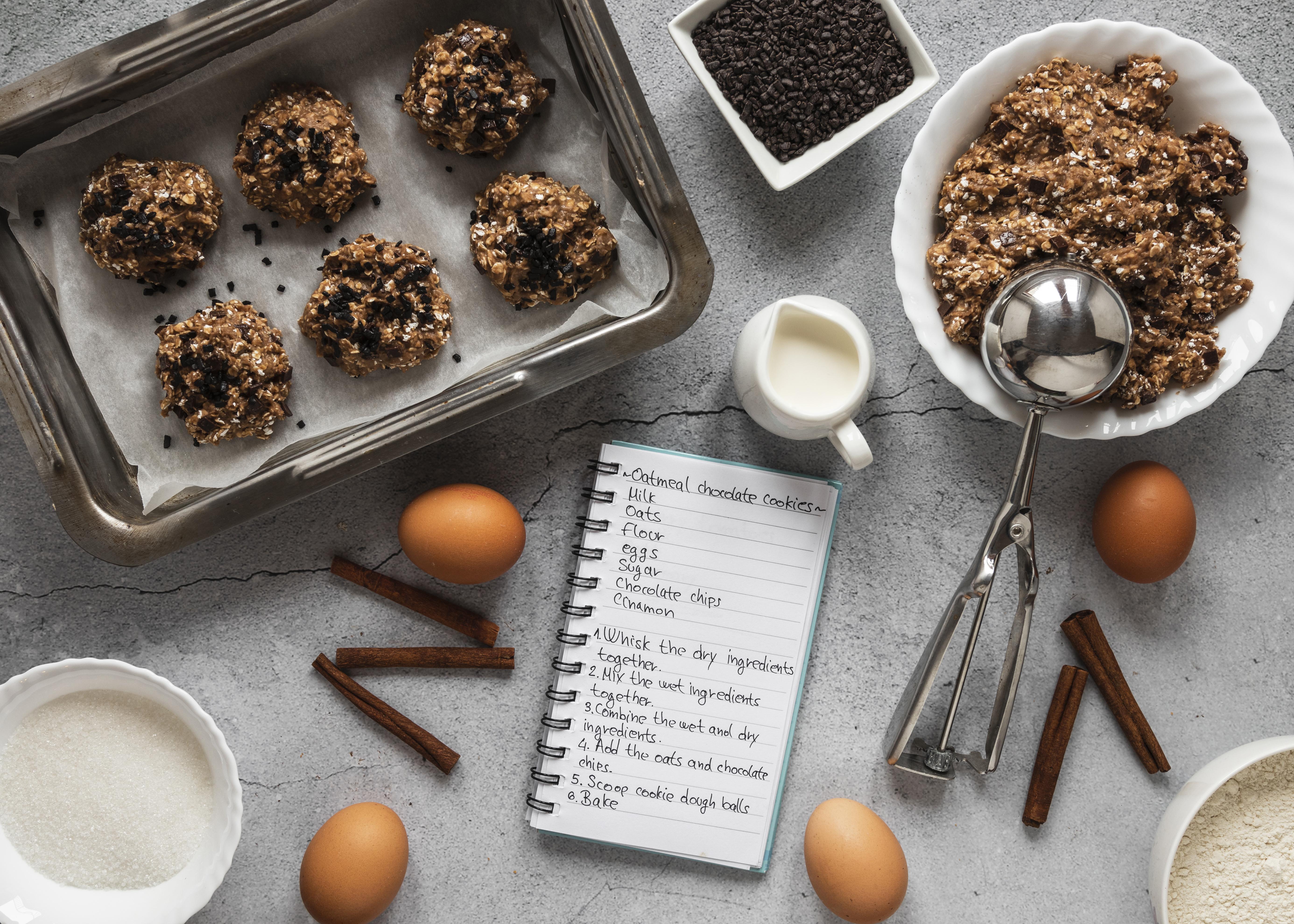
On Monday morning, you open your bag from Sunday prep and find oat flour, nuts, and dried fruit weighed with two different mugs. One spoonful became too much for pancakes. Two spoonfuls into the smoothie jar made the cup too sweet. Your coffee grounds looked okay one day, heavy the next, even though you swore you used the same scoop. That scene happens to a lot of people. It is annoying, but it is not hard to fix.
The issue is not that you are careless. It is that volume is a weak ruler for many kitchen tasks. One cup of sugar in a steel cup versus a glass cup can differ, and a loose spoon never has a fixed size across recipes. That is where a basic digital scale helps, especially for one of the best practical uses: meal planning that repeats.
Why this scale is an easy upgrade
The Etekcity Food Kitchen Scale model in this guide is a small, practical tool for home kitchens where counter space is not endless. It is simple enough for daily use, not another smart gadget that needs app setup every time you make toast. For everyday cooking, this is the key difference. You want quick accuracy, not a mini lab.
For this article, we are focusing on the Etekcity Food Kitchen Scale product link. Open the live page right before buying to check current offer details, availability, and return conditions.
What to check before you click buy
If the listing feels too busy, use this quick check list. It is built for the kind of person who wants to buy once and use it for months:
- Weight units: grams, ounces, and quick toggles you can switch without hunting for a menu
- Tare function: must reset quickly so you can weigh multiple ingredients in one container
- Display readability: bright enough in dim kitchens and not too tiny for older eyes
- Stability: no big jitter in readings after the item sits still for one second
- Maximum capacity and platform size: enough for a bread bowl and not too small for daily batch mixing
- Battery status or easy charging path: avoid mid-meal battery confusion
These checks are not hype. They are the exact points that save you from returning a tool that is technically fine but awkward in your actual kitchen routine.
Where this scale shines
Baking with consistency: If you make pancakes, cookies, or bread, weight is the most reliable control. A spoon of flour can float around a lot. A number on a display cannot. This scale helps you keep results close enough that your next batch will taste more like the first one.
Meal prep for snacks and lunches: If your goal is simple packaging and repeatable portions, weigh once and repeat. A measured container of rice, beans, or mixed nuts helps both pantry tracking and portion habits. It is less dramatic than a full nutrition app, but it is more precise than eye-balling every time.
Coffee, sauces, and powdered additions: If your coffee blend or protein powder is new, this scale helps you test a base amount. You still keep your preferred routine, but you reduce guesswork. That helps with taste and budget, because nothing worse than buying extra by accident.
Where it is less useful
Not every kitchen task needs grams. You do not need this tool for every stir fry or fruit salad. If your usage is mostly grab-and-go with big chunks, the scale becomes more of a chore than a helper. It can still be useful, but only if you use it to build one or two habits, not for everything.
If you regularly work with very heavy batches or dense foods, also check capacity and response speed. A tiny unit can still help a lot, but it can frustrate you if it stops at your typical ingredient size. In that case, test alternatives first before locking in a purchase.
How to use it without overcomplicating the workflow
Start with a short training day. We keep this straightforward:
First, weigh salt, then one cup of rice, then one cup of oats, all in the same bowl. If your results differ from your expectations by less than a few grams, your setup is fine and you can start cooking with it. If values jump around, do not give up yet. Check that the bowl is flat, the scale is stable, and that your unit is set to the right unit mode before deciding it is broken.
Next, add one repeatable task only. For example, weigh your two-week smoothie oat mix weight for two portions each day. Then repeat it on the second day. You will quickly know if the scale is worth it.
Common mistakes and how to avoid them
Using a warm item too quickly. Hot or wet food shifts reading behavior. Let warm items cool for a moment before logging weight, and add wet ingredients in planned order.
Ignoring tare. If you forget the tare function, you end up stacking container weight into ingredient weight. That error snowballs during baking and meal prep.
Measuring in crowded spots. Drafted counter setups with movement can drift measurements. Set a repeatable spot and use the same containers for better stability.
Comparing unrelated units. Always match one unit choice per recipe. If one recipe uses grams and another uses ounces, keep the conversions to one pass only. That avoids false confidence from mixed units.
Budget sanity check before checkout
Use this as a deal-conscious check, not a coupon-chase check:
- Is the current price in line with your budget for a long-term kitchen tool?
- Is the listing showing an active coupon or discount that changes week to week?
- Are shipping, return policy, and replacement rules clear?
- Does the listing include all the units and size range checks you tested above?
If yes, this can be a very practical purchase. If no, pause and compare one backup model before buying. A scale is useful only if it fits your habits.
Affiliate disclosure and purchase link
We include the live Amazon link below for the product lane we researched, and yes, this may contain the required affiliate tag. This does not change what you are buying, but it is important to be transparent:
Check the current Etekcity Food Kitchen Scale listing on Amazon
Final word
If you are tired of inconsistent measuring habits and want a small tool that improves repeatability, this kind of scale is often a good pick. It is not glamorous. It will not transform your kitchen in one day. But it will remove a lot of small errors that make cooking and meal prep feel random.
That is exactly why people keep coming back to a simple kitchen scale after trying expensive alternatives. The value is boring. And boring is the point.