
A stand mixer that works in a small kitchen: size, power, and deal strategy
A stand mixer can make baking easier, but on a tight counter it can also create daily friction if you pick by hype instead of fit, motor, and budget.
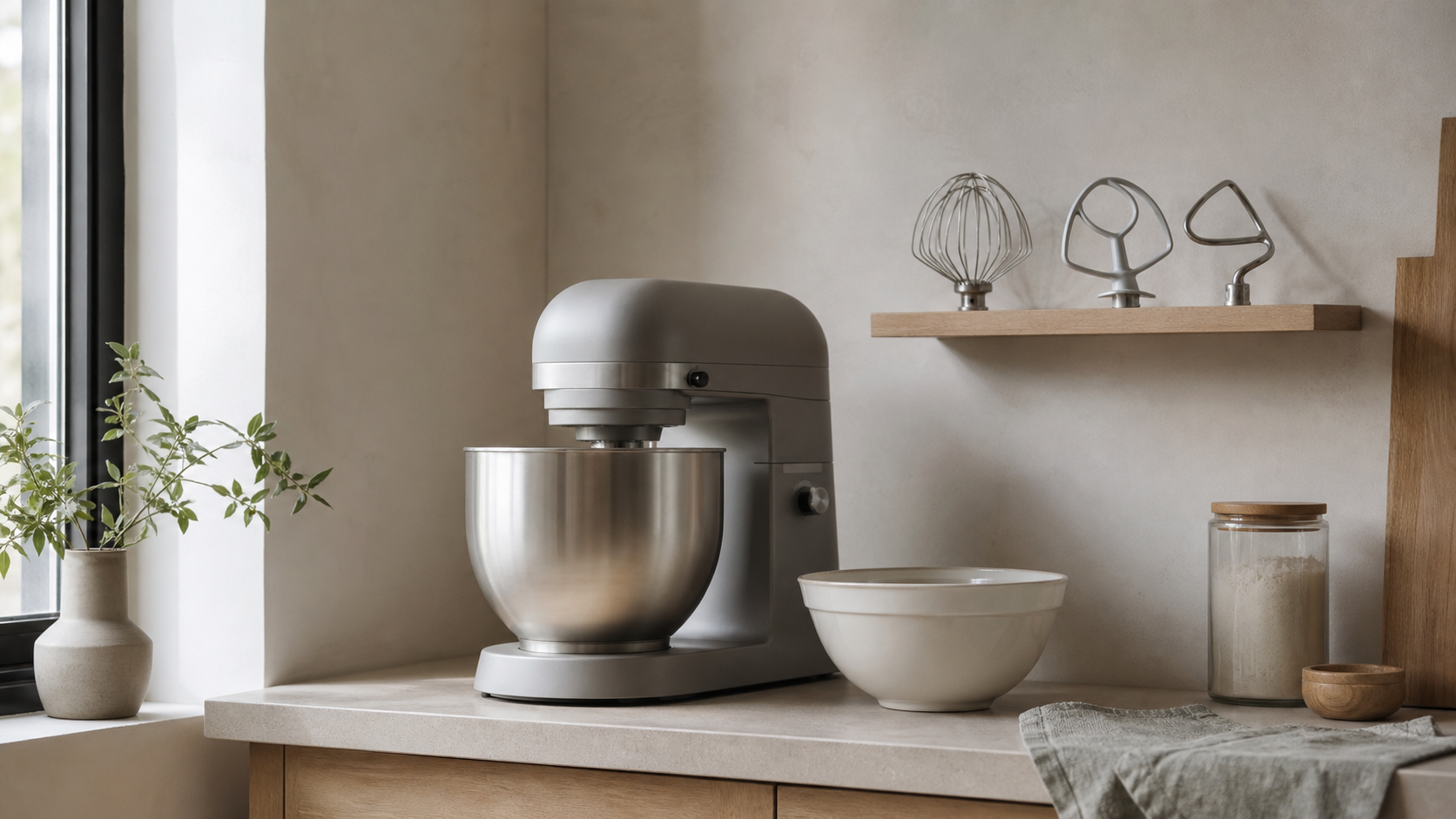
At 7:00 p.m. on a weeknight, your countertop is often full. The oven pan sits by the stove, the coffee maker still has foam in the mug, and your mixer box is on the floor because your old compact setup is too small for weekend baking. You are not choosing a stand mixer because you need a new appliance for every recipe. You need a dependable machine that fits your space and does the recipes you actually make, especially when you cook in a hurry.
Most stand mixer mistakes happen before checkout. They happen in the planning step, not the shopping step. Buyers usually compare model names first, then power output, then size. The useful order is the other way around: space, workload, and storage first, then features.
Step 1: Measure your real counter path
If your mixer can not fit in your normal counter path, it is not the right model for your home. Measure three things before opening Amazon: minimum counter width with the machine running, minimum counter depth with the hook attached, and minimum storage height in your cabinet if you intend to keep the bowl and attachments in one place.
Use a short test layout. Place a sheet of painter tape where the bowl will sit, then stand the unit in your normal position with the beater inserted. Open and close the bowl, then place the heaviest pan you own on the bench, still leaving enough room for a cutting board and hand mixer. If your setup feels narrow, you are at the wrong size class.
Step 2: Match bowl size to your weekly menu
A small bowl does not mean poor performance. It only means smaller batch handling. For a kitchen where baking happens two or three times a month, a 3.5 to 4.5 quart class is often the safest fit. It is easier to clean, easier to store, and cheaper to move without losing control. If your regular routine includes pie dough for six or sourdough enrichment batches, then a 4.5 to 5 quart unit is the safer middle ground.
For larger baking loads, a 5 to 6 quart model can be easier than buying two add-on bowls and still not using most of the extra space. If your routine already includes large dough batches every Sunday or weekly party baking, then you can budget for the larger class. If not, a too-large bowl becomes an expensive stand piece that sits half-empty most of the year.
Step 3: Choose power by use, not by label
Motor strength can be confusing when listings use marketing labels. Look for behavior instead. In practice, the machine should handle your dough type without stalling and without heat smell. If your recipes use bread dough and stiff frosting, test a higher power range in the listing specs. If your routine is cookies, meringues, and whipped toppings, a moderate motor can still be enough when paired with the right attachment.
One easy rule: if you see long warm-up pauses in reviewer comments, that model may be overtaxed for your use case. If you see clean acceleration from low to medium, it is usually a better fit than extra wattage bragging. You are shopping for consistency, not for a number in a hero badge.
Step 4: Build a shortlist with attachment fit
Attachments are not optional accessories on a stand mixer. They are where value is either gained or lost. For most homes, your first three should be: hook, paddle, and whisk. Add a dough hook and a paddle if you bake bread and batters often, and add a whisk if you use egg whites or cream. Skip rare specialty tools until your core setup works smoothly.
- Does the listing clearly include all starter attachments, or does it hide them behind add-on links?
- Are the attachments hard to buy separately and locked to one brand only?
- Can you source replacements at normal price if one part wears out?
A model with three strong attachments can beat a larger model with two weak ones. Price tags rarely account for this reality, so this is the step that saves people the most money over one year.
Step 5: Pick products with sale-aware discipline
Amazon deals can be useful if you already have the shortlist. If you are starting with 20 products at once, you will buy too quickly. That is when people pay more than needed and get fewer useful add-ons. A better workflow is to make the shortlist, then compare active discount windows.
Use one deal list for this slot. Keep only three candidate machines in one sheet. For each candidate, compare one final price from listing, one shipping estimate, and one return rule line. If the return rule is vague and only listed in customer Q&A, mark it as medium risk and move on.
Good starting options for small kitchen-focused browsing include KitchenAid 5-quart stand mixer listings, Hamilton Beach 4.8 quart stand mixer options, and stand mixer attachment bundles. Pair those with current Amazon deal windows only after your feature checks are done.
Step 6: Avoid hidden friction on a tiny counter
Noise means more than comfort, it is signal. If the mixer is loud enough to interrupt conversation from the fridge to the stove, it may still be fine for baking day. But in a smaller kitchen, noise can make shared use difficult for everyone. If your home routine has nearby conversations while you mix, pick quiet handling and shorter mixing cycles.
Weight also matters more than people realize. The heaviest issue after a full bowl is not carrying and not lifting; it is moving the unit by habit every other day. A smaller, stable model that can be parked in one drawer after use often beats the premium flagship in real homes. We still call this a convenience value, but it directly changes long-term satisfaction.
Step 7: Check a short life-cost budget before you buy
Do not let the same number appear twice and call it value. Instead, add three cost buckets that matter over six months. First is sale price, second is attachment replacement, third is countertop impact. If the larger model saves 10 dollars now but pushes your counter plan into a rebuild every week, the net cost is negative.
Use this small formula:
- Base price after coupon
- + attachment replacement plan
- + space recovery cost if your setup becomes too crowded
Then compare each model against the same three buckets. A mid-size machine with calm daily use can win over a bigger one when the totals are done carefully.
Step 8: Keep it running with a maintenance loop
Post-purchase care is often missing from shopping lists. A stand mixer is a straightforward appliance, but it is not automatic. Build a two-minute loop at the end of each week: wipe bowl lip, run a short warm water rinse through the whisk and paddle, check hooks for food grit, and dry on a towel. This avoids motor strain and keeps the next weekend mixing day smoother.
Clean inside and out. Keep the power cord coil loose at one end and not twisted. If your machine has a dish-safe detachable bowl, wash it after one heavy use and air-dry before closing. These habits reduce early wear and keep the machine feeling like a long-term kitchen helper.
Simple closing decision checklist
Before the final click, answer these five questions in your notes. If you can not answer yes to most, pause for one more comparison cycle.
- Will the mixer fit in your normal counter position without moving other daily tools?
- Can it handle your top three weekly recipes without stalling?
- Are the required attachments included and easy to replace later?
- Can you see a straightforward return path if size still feels wrong?
- Is the sale price lower after coupon and still in your usage comfort zone?
If the answer is yes on all five, your choice is solid enough to buy on this slot's deal window. If not, the unit might look good in the cart and still cost you more space, more stress, and more resets than it saves.
Your kitchen is not a contest for biggest motor or brightest badge. It is a place where one setup decision affects every week. A stand mixer that fits your counter and routine turns from a one-time purchase into a reliable tool. A mismatch becomes an every-day reminder that even good machines can be annoying when size and workflow are wrong.