
The Summer Pet Cleanup System That Stays Quiet, Clean, and Predictable
Heat, humidity, and long days can turn pet cleanup into a stress tax. Use one practical rhythm, then choose your litter tools by fit and return flexibility.
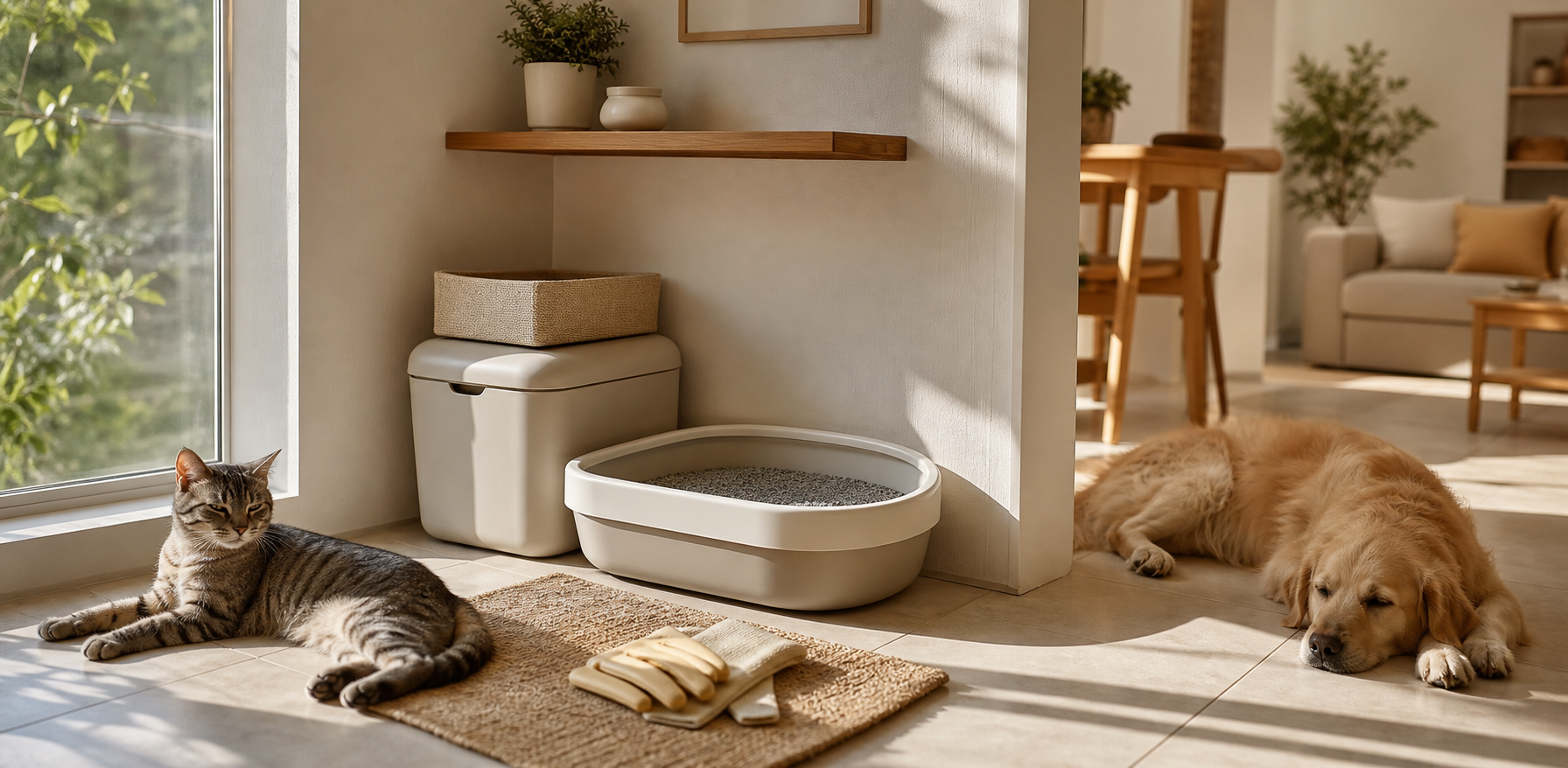
At 6:10 a.m. on a humid Saturday, the apartment is already warm and your pet cleanup corner is full. One minute ago it looked acceptable. Now the litter pan is full, the rug edge smells sharp, and you are deciding whether to spend half the morning cleaning or spend that money on better tools now. That is a common summer pattern, and it is fixable with the same sort of planning you already use for shopping lists.
When heat pushes your routine off track, the urge is to buy everything at once. A bigger litter station, two extra products, and a stronger deodorizer all look like a fast solution. Most of the time that just creates more clutter and a larger monthly bill. A cleaner way is to use a steady system, then match each product choice to one concrete behavior in your home.
1) Start by defining a real pet-cleanup rhythm
Do not decide by category titles. Define three moments in your day and give each one a specific action:
- Morning reset: quick visible cleanup and a short scoop check.
- Afternoon control check: empty waste area and spot clean floor edge.
- Evening closeout: top up absorbent layer and close vents cleanly.
That list is intentionally short. A rhythm with three actions is easier to keep than a ten-step app-based routine. It also helps you spot why a purchase feels necessary. If the same point fails every day, your product choice is wrong, not your effort.
2) Choose your core setup before any coupon hunting
People often start with discounts and only later ask if the tool fits the home. Reverse that logic. Your first move should be to pick one core setup for daily handling.
For summer pet cleanup, two checks matter most:
- Can the product keep the odor contained when humidity is high?
- Can you empty, reset, and return it with little friction?
If both are not true, skip the listing even if the price is low. Your goal is to spend less time reacting, not more.
3) Product anchor one: automatic handling can cut repeat effort
One reliable core option is an automated scooping setup. The link below is a real example you can evaluate in your own routine:
AutoScooper style litter station with automated scoop cycle
Use this model only if two conditions hold. First, your litter area is mostly enclosed or can be enclosed to block drafts. Second, you can keep the maintenance bin reachable without climbing over furniture. In small apartments, access is worth more than capacity.
If you do test it, check three numbers in one pass: bin size, power style, and noise. Too large a promise in any one area can make the setup a shelf item that you abandon after a single week.
4) Product anchor two: a box and floor plan that works with your route
If you use a high-volume litter style, product fit depends on floor layout. A model that is too wide for one hallway path will cause more spills than it solves.
The second anchor is for users who want easier tray access and containment:
Quiet-housing litter box design built for compact setups
When this is a good fit, people usually save time on two fronts. They stop balancing multiple temporary bins and they stop stepping over used pads at night. That is where real summer value appears, not in one dramatic initial discount.
5) Keep the budget rule simple and public
Set a shopping gate before checkout. In practice, use one visible rule: if the cart total minus likely coupon discount is more than your weekly grocery buffer, stop and wait one day. This removes the impulse spike that often arrives with heat and urgency.
Amazon product pages can still support this method if you treat coupons as secondary filters instead of primary filters. A normal tactic:
- Open the cart list.
- Apply one coupon if available.
- Compare return windows and shipping times before the final click.
The cheapest unit is not always the best fit, and the best fit is rarely cheap until you include one week of follow-up care and one return window. If this feels too slow, the process is working: slower decisions save faster regret.
6) Verify support and return timing the same day
Return timing matters more in summer routines because heat can trigger faster dissatisfaction. A model that starts well but fails on day three may only feel like a bad deal if returns are hard to process. Use the same checklist for every listing, and keep proof in one note.
A focused check is to read return basics before checkout instead of after. Amazon return rules are not always intuitive for pet care categories, so one quick read can save a lot of confusion.
See the official policy page for the mechanics around refund timing and replacement status:
Amazon return behavior and timeline overview
7) Turn the routine into a 30 day repeat plan
After you buy and set up your product, keep this loop every Saturday:
- Empty maintenance tray and dry the base area.
- Check for signs of stickiness or clumping overload.
- Refill with two smaller measures instead of one large one.
- Test the room airflow near your floor area after sunrise and near dinner.
This plan takes less than ten minutes and protects your routine when humidity climbs and guests arrive. The best systems are not the loudest or the fanciest. They are the ones that work when the heat is bad and you are already busy.
If you want a cleaner summer corner, start with your routine first and your cart second. You do not need a full stack of products to feel in control. Choose one core station, one backup station, and one proven maintenance rule. That is the setup that stays cheap, stays quiet, and stays real when the weather changes.