
Summer pet cooling done right: the one-page plan for comfort, water, and budget on Amazon
A heat spike can push you to buy fast, but this shopping flow keeps comfort for your pet, keeps the budget honest, and keeps checkout stress low.
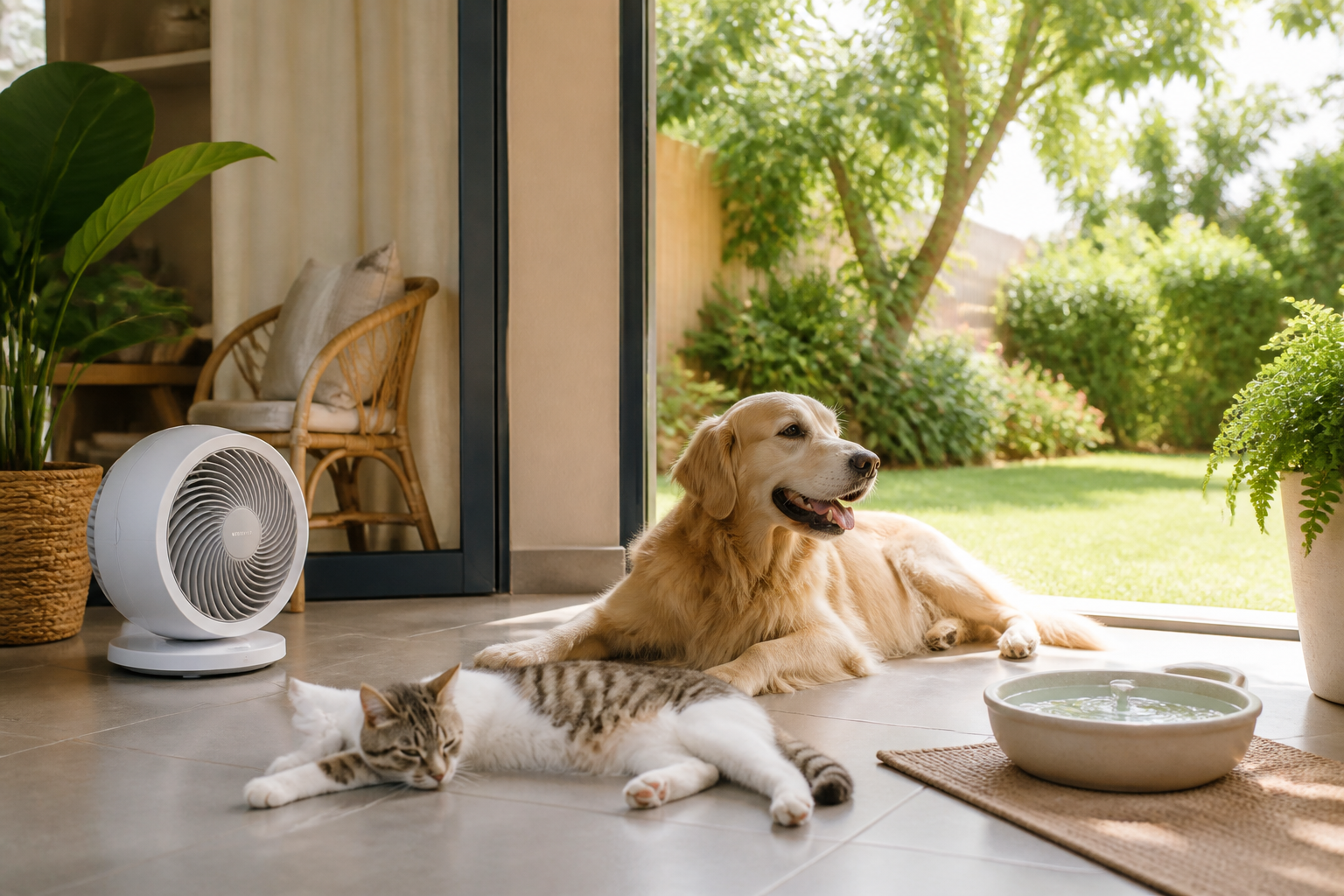
At 2:14 p.m. on a July afternoon, your dog is pacing and your cat has moved from the cool tile to the couch, then back again. The air is warm, your phone has three open Amazon tabs, and every tab has a bright orange badge that says 12% Off. This is when people lose focus. The goal is not to build the perfect list for every day of the summer. The goal is to get your pets cooler, safer, and less stressed with fewer impulse purchases.
Most of the mistakes in this category are not about prices. They are about not deciding what problem you are solving first. Before you open any product page, answer one question out loud: am I solving heat comfort, hydration, or safe airflow? If the answer is all three, split them into one shopping list, not one giant shopping spree. When you can name one goal for each search, you will spend less and still buy better.
Pick your first goal, then your budget ceiling
Heat comfort for pets usually comes from two needs: a way to lose heat and a way to stay hydrated. Many stores frame this as a must have everything routine. You do not need everything. You need enough, and enough is usually two or three items.
Make your rule set before the first click:
- Budget cap: one cap for shopping, one for shipping overhead, and one for accessories.
- Pet size: a 12-pound dog and one indoor cat need different cooling surfaces than a large dog or two outdoor cats.
- Pet profile: one older pet, one active pet, one anxious pet all respond differently to fan noise and air movement.
This is not about analysis paralysis. It is about reducing one source of waste. If your cap is known, every page with free shipping only on two or more items becomes less persuasive and more transparent.
Use a useful 4-point check on each candidate
When a title catches your eye, run this same check on every item. Use it for cooling mats, fountains, and fans.
1) Size check
Many pet cooling products are reviewed by people with smaller living rooms and smaller animals. Open the dimensions first. If you need a mat for one couch area, check exact square inch coverage instead of imagining one big mat. If size is too small, it becomes a toy station, not a relief station.
2) Power and noise check
Fans and misters are useless if they wake your pet at noon and every time you walk past. This is not a luxury issue. Stress affects hydration and appetite, which is why your pet setup can fail even with good discount prices. If the listing has noise notes, compare them in one line. If it has no noise notes, assume you will test mentally and expect the worst.
3) Material and safety check
Look for pet-safe, non-toxic materials, no exposed heating parts, and no sharp edges around moving vents. If the listing is unclear, skip to one with cleaner photos and stronger specs. If a merchant cannot answer safety basics, your comfort goal becomes an unknown-risk goal.
4) Return and support check
Before payment, read return windows and return methods. If a return path is vague, that is a sign to pause. There is no bad shopping day in that pause; there is only a cheaper reattempt later.
How to split your list into exactly three products
A good pet cooling stack usually has a base item, a comfort item, and a backup item. You do not need more for season start. Here is a sequence that is hard to over-apply:
Base item for airflow
This is your first investment. Choose a reliable, quiet fan setup or cooling platform depending on room style. If your home is central AC, prioritize noise and airflow direction. If your home has heat pockets, prioritize adjustable settings and placement options. A high-end model without good oscillation can leave half the room hot and still look like a bargain.
Core hydration item
Hydration is the second item because it prevents many panic purchases. If your pet drinks more because room heat is higher, you may find you need less hardware and better water access. Use the same sizing logic. A small indoor cat may need only a shallow fountain and a lid, while a large dog might need wider intake and stronger flow.
Backup comfort item for peaks
This is the most honest place to use a second deal-driven purchase. Add a portable backup for short heat spikes, especially if your pet room is not air-conditioned in part of the day. Keep this item in the same brand family only if you have confirmed noise and attachment compatibility.
How to shop by value, not by badge
Amazon listing badges create urgency, but urgency can distort judgment. A clean method is to compare four values before you add to cart:
- What is the all-in price with tax and shipping?
- Can I still use this in the same room without creating stress?
- What happens if the weather changes and I do not need this?
- Can this be returned for a full refund if the first 48 hours show a fit problem?
If a deal beats three out of four checks, save it in a shortlist. If it beats only one, skip it. This keeps your total spend clear, because deals with weak fit are just expensive experiments.
For example, one person I know starts with a cooling mat shortlist and checks only the exact width against the rest spot where the dog sleeps on a hot day. That person compares two fans and one mat, then stops. They build a steady base setup in less than 20 minutes, because they avoid browsing every accessory under every product.
Keep the checkout flow simple with this 10-minute window
When a discount window is active, your body wants to stay in the browser. Set a timer and follow this order instead:
- Open only the three shortlisted items from your goal list.
- Open product specs once, then close the tabs once specs are captured.
- Apply coupon or promo only after size and return checks are final.
- Re-check shipping address to avoid accidental multi-delivery fees.
- Review the return window one final time before submit.
- Place one order only if all checks still fit your budget cap.
If one check fails in the final pass, do not force the order. Add a note in your cart and revisit at a steadier time. A delayed second browse is cheaper than a rushed wrong purchase.
Use these searches only, with your affiliate tag
If you want to compare current choices in one place, these targeted searches can be faster than scanning whole category pages:
- pet cooling mat for summer comfort
- portable pet water fountain for indoor spaces
- quiet pet cooling fan for small spaces
Use them as reference points, not a shopping command. Browse each, pick up one candidate per section, and run the 4-point check again.
Deal rhythm that still protects your schedule
Amazon promotions are not magic. They are timing events. A useful rule is to buy the exact replacement item, not the full concept. If the fan is your base item, do not stack a third accessory because a coupon expired. If the fountain is useful now, do not replace it because a second offer appears before you test it. Your pet does not care about your reward points. They care about reliable comfort and low stress in the room where they rest.
Think of your shopping in seasons, not days. The same item can return in a later season at a better price if your first test failed. If you set this expectation early, every offer becomes a choice, not an emergency.
How to avoid the listing trap
Photos and bullet points are not proof. Proof is your own test plan. Keep this after-purchase test in a note app and follow it for the first week:
- Day one: Does the fan stay where you set it and remain quiet?
- Day two: Does your pet choose to rest on or near the setup?
- Day three: Are water intake and room behavior stable through the hottest hour?
If two days in a row fail, initiate a return while the return window is safe. That is not quitting your shopping plan. It is making the plan valid.
"Comfort should be tested, not assumed."
This line is simple for a reason. Even with a discount, each household is different, and each pet has a different comfort baseline.
A short story from a real setup
Last summer a neighbor used one fan, one water source upgrade, and one backup item. Their first pass had no extras, no just in case gadgets, and strict return timing. The setup was done in 15 minutes, and they spent less than half of what they normally spent on late-season updates. Their dog used the same resting spot every afternoon, and that made the owner happy enough to stop scrolling and start closing tabs. The result was not fancy. It was practical.
Final steps before checkout
Before you click buy, ask three final questions and do not move on if any answer is vague:
- Can I explain in one sentence what problem each item solves?
- Could I return this with no stress if it does not fit real use?
- Did I stay inside my budget cap?
If all three are yes, proceed. If one is no, wait. Your pet will not get better by waiting one more night, and your wallet will.
Summer shopping does not have to turn into a second shift. Set a plan, use the four checks, and treat coolness as a goal, not a wishlist. You end up buying what your pets actually need, and your budget gets to recover for the next season.