The AI shopping habit that keeps recovery gear useful instead of collecting dust
A late-night deal alert can make recovery shopping feel urgent, but a small AI routine keeps the basket focused on products you will use, not the ones with the loudest discount badge.
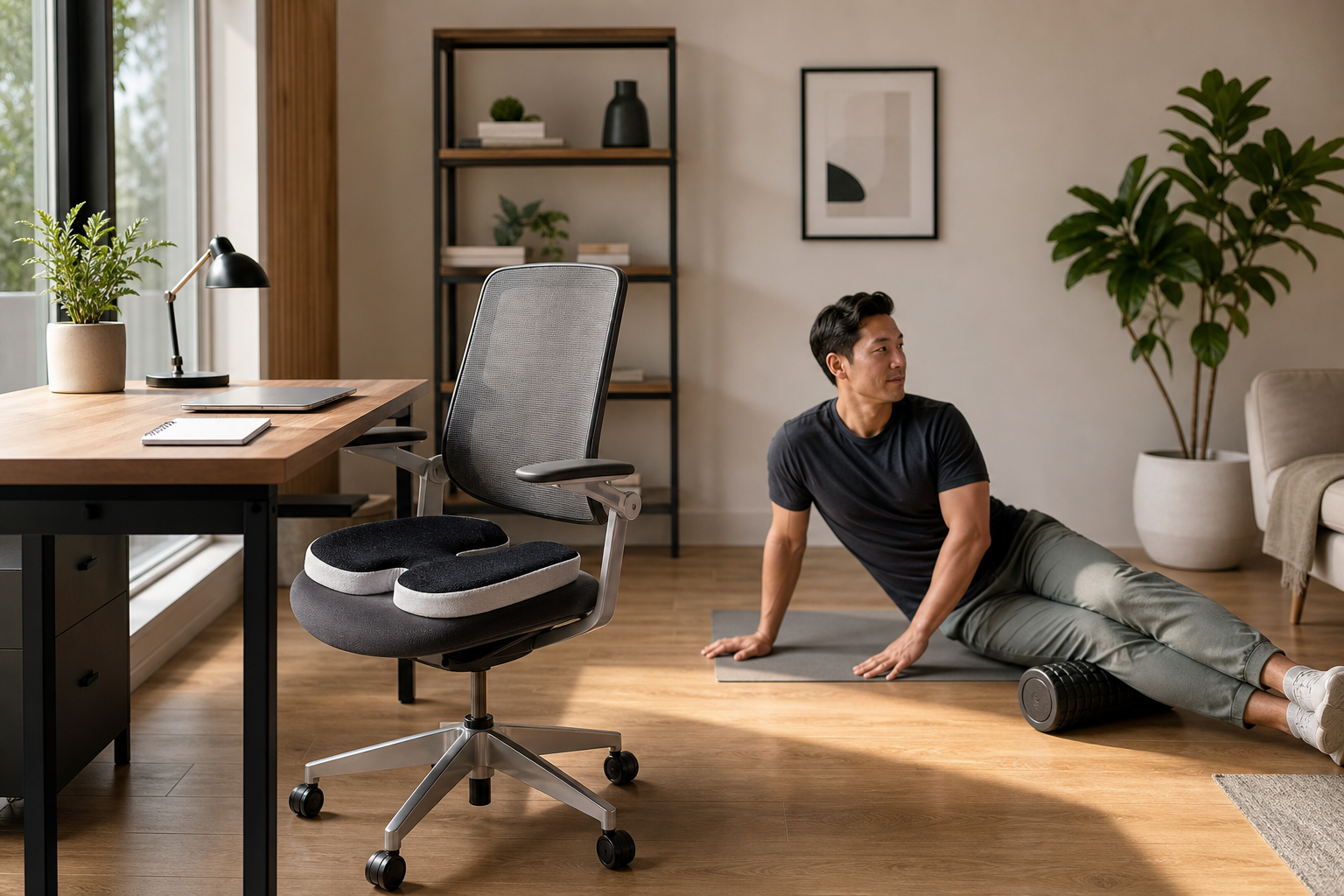
It is 9:45 p.m. on Tuesday, and your neck is reminding you who was boss all day. Your laptop is still open. The browser tab that started as a calendar reminder now shows an app with bright red tags, and every deal looks like a reason to buy one more thing. The problem is not that you want to recover better. The problem is that your shopping flow turned pain into a shopping list with no finish line.
Most people do not overbuy fitness gear because they are careless. They overbuy because the decision gets split into too many micro choices. One tool says this is a good idea. A friend says the same product on a story. Your AI feed says the same. The body says no. When your attention is tired, the easy move is to trust the loudest alert and click.
That is why this method works: it does not ask you to stop using AI; it asks you to set one rule for AI, then shop like a human. Think of it as a tiny operating system for your cart. The same way you would not add every item from a grocery sale to one meal prep bag, you should not add every recovery gadget from one alert into your daily routine.
The first rule: define the use situation in one line
Before opening any product page, write one sentence in a note app:
- "I need to reduce shoulder and lower back stiffness for the next two workweeks without adding bulky equipment."
That sentence sounds simple, but it is the filter. If a product does not help with that specific sentence, it stays out. This one-liner also stops your brain from being persuaded by every category on the homepage. You can still browse, but your choice is already bounded by your real pain and your real space.
The second rule: choose one home location for each new item
If a product does not have a clear place to live in your apartment, it is usually not a serious purchase. Recovery gear fails fast when people buy for an idea and not for a place.
For example, when a memory foam seat cushion is for a desk chair, it needs one spot, one plug type, and one use window. A mini heat massage mat should have a power outlet nearby and a clear cool-down time so it is not left open all night. If you cannot point to where it will sit, fold, and charge, it is usually a future dust collector.
The third rule: apply the 90-second AI search test
This is the part that feels different from typical "best list" posts. You do not ask AI for ten options and then panic-sort. You ask for three, then narrow to one. Pick one search term, review three options, and choose by three checks:
- Will this solve the specific tension you wrote down?
- Can you see it staying in use for at least two weeks?
- Is return possible, and is the price stable over three days?
The second check does more than cut clutter. It cuts buyer regret. If a product cannot stay in your routine for two weeks, it is probably trying to solve a momentary feeling, not a repeat problem.
The fourth rule: set a hard cart cap and a review date
Set a number before checkout, then honor it. I use two items and one backup. That is it. If the backup has obvious overlap with the first item, skip one. Then set a review date in your calendar for seven days later. If item one is still helping on day seven, move on. If not, return it while the window is open.
That simple stop date keeps shopping decisions connected to reality. It also keeps AI recommendations from becoming emotional noise. Your brain likes instant certainty. The review date gives your back and your schedule the final say.
How this works with real products
Here is the exact flow I use when I feel that late-night urge to buy something "just because it is discounted":
Step one: I lock in my use case: "reduce desk shoulder tension after long screen blocks."
Step two: I pick one direct product and one support option, not a basket.
Ergonomic memory foam seat cushion for desk comfort is my direct choice when I need sit and stand variation without changing my room setup. It helps a real issue, fits a chair, and has clear return terms.
Step three: I set a cap. If I already have one recovery product in cart that matches my use case, the second one must add a different benefit. I do not allow "nice to have" duplicates. On day two, if my neck still hurts, I use both products before I add any new one.
Red flags that trigger a hard stop
There are only four moments to walk away, and this is the guardrail list:
- The product page uses "deal" language but no clear return info.
- The same feature is repeated across two items in your cart.
- Storage feels like a puzzle in a room you use every day.
- Your review date is in the past before checkout, which means you are already rushing.
If you hit any one of these, close the tab and return tomorrow. That one pause catches more waste than any discount code ever does.
A quick example from a normal week
On Friday, Lena had three alerts for back support products before noon. She felt pressure to buy the one with the highest discount because her shoulders had been tight from meetings. She used the one-line rule, tested two options, and only added one item because the second did not solve a unique need. She wrote a review date. On Sunday she still used the cushion during her two break sessions and skipped the second purchase. The best part was not saving money. The best part was using one item every day instead of trying to rescue herself with five items she barely touched.
That is the point of this process. It does not make shopping boring. It makes shopping honest. You still get to use AI suggestions, but AI is no longer the one deciding your cart. You are.
Why this method is better than a giant checklist
People often read a long checklist and still overbuy because the list itself becomes a shopping map. This method uses fewer steps and fewer taps. It gives a clear line between "interesting" and "needed." For recovery gear, that line matters. Unlike shiny kitchen tools or outdoor gadgets, fitness gear needs repeated use to earn its place. A short routine with one or two products can improve more than a shelf full of new stuff.
If you keep this process, your cart will never be perfect, but it will get cleaner. The goal is not a perfect cart. The goal is a cart that lines up with your actual recovery schedule. Less noise. More movement. Less regret.