
The backyard sale checklist that keeps Amazon picks from becoming leftover chaos
Your sale alert might catch your eye, but one clear yard task and a solid return plan will separate useful buys from decorative clutter.
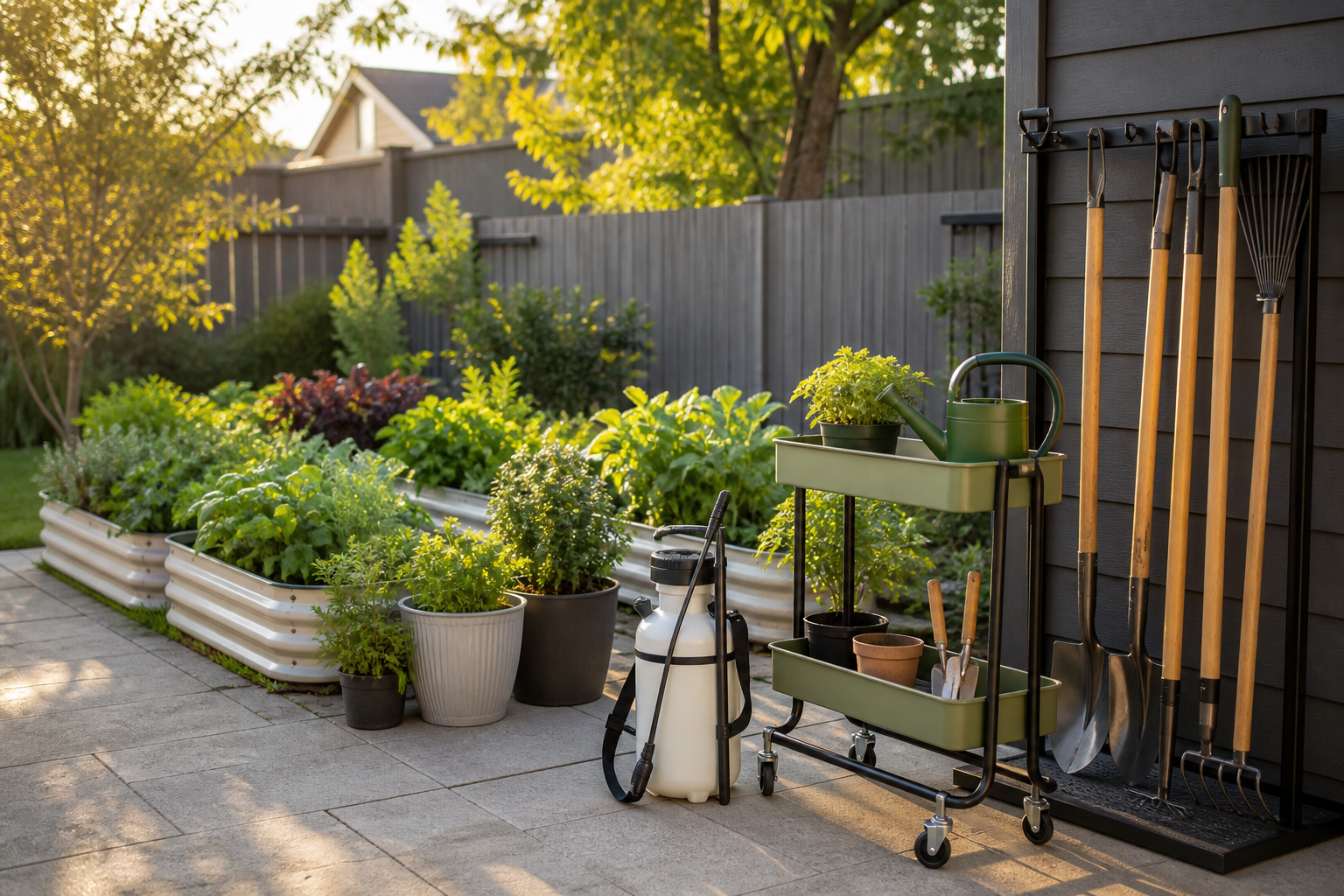
One Saturday morning, you open a sale email while balancing a rake in one hand and a coffee in the other. The email promises one-day discounts on garden tools. Your first thought is usually a mix of excitement and panic: you can finally buy what your yard needs, or you can turn your porch into a warehouse that gets used once.
Most people buy better after sale season when they have a plan, not after they have an open tab and a timer. The same rule applies whether you are trying to keep a flower bed healthy or prepare for late-summer heat. Amazon makes it easy to buy quickly. The hard part is staying intentional about what belongs in your own routine.
Pick one weekend outcome before clicking anything
Start with a sentence that can be checked in one hour: "I need a way to spray weeds without carrying a heavy can," or "I need to move soil and tools across the yard without tripping over cords." If your outcome is broad, every product feels useful. If your outcome is specific, only two or three products stay in range.
Use this mini test: write your outcome, then delete every item that does not directly support it. A pressure washer might be a good buy for deck cleanup, but if your goal is potted-plant care and path weed trimming, it may not be in the same budget for now. A focused outcome keeps your sale energy focused and your return decisions cleaner.
Check storage before performance, every time
Backyard purchases fail less because they are low quality and more because they do not fit your space. A sprayer that looks ideal on paper can end up in the corner because your garage is already full, and then it becomes the same story as every other sale impulse.
Use this storage rule:
- Measure where it will live now, not where you think it will fit later.
- Measure weight when full, not empty. Batteries, tanks, and hoses all feel heavier than expected.
- Leave a minimum of a two-finger gap for pulling the unit out and carrying it in and out of your setup zone.
If the numbers feel worse than expected, do not skip the purchase with regret. Skip it now and note a later upgrade path. A lot of returns happen because people test a bargain against a cramped closet.
Read the deal type before the discount tag
Amazon pricing has the same game face as any fast sale platform. "Deal" can mean a temporary price cut, a coupon layer, or a limited-time seller discount. You should know which one you are buying into.
One practical check list:
- Open the product page and compare current price with your local recent average from two other reputable stores if you can.
- Open the promotions area and confirm if there is a condition attached to the price.
- Click through the return window and shipping estimate before checkout.
- Check seller feedback and warranty language if the item has motors, tanks, or moving parts.
If the listing has a coupon plus a steep regular price, the deal is often better for users who can use it quickly and return if needed. If the seller window is short, and the item takes time to learn, slow down. A cheap item that cannot be tested fast is usually just expensive friction.
Three useful product anchors that pass the checklist
The idea is not to buy everything on a list, but to test a shortlist with clear logic.
First, a compact sprayer option for spot treatment and cleanups: VEVOR battery powered backpack sprayer. If your goal is targeted weed control and quick plant feeding, this can fit a small yard workflow if you have one wall mount or shed space for it. The key is to verify battery runtime and tank fit against your actual row length. Short rows can still have wide maintenance windows.
Second, a utility cart for moving soil, mulch, tools, and hoses in one trip: large folding wagon with dual deck load area. A good cart is less about capacity and more about how easy it is to steer around stairs, gravel, and porch edges. If your storage path has narrow turns, check wheel size carefully. The highest rated item on a page is often wrong for your home layout.
Third, a cleaning setup for hard surfaces and patios: this pressure washer package. Use this only if you have a drainage path and a controlled area to manage runoff. If your lot has heavy clay or flowerbeds nearby, avoid using chemical-based settings that can spread residue. For decks, this can be a real time saver, but for flowerbeds, slower methods often last longer.
If shade and rain control are part of your core need, this option can be the next anchor: a patio umbrella with LED base and weather handling. But this should come after watering, cleaning, and storage. Outdoor shade does not fix weak maintenance habits on its own; it just makes the space easier to use.
How to avoid one common buyer trap
Most sale mistakes are not made on product specs. They are made when people skip a post-purchase test plan. A fast plan is enough:
- Unbox on the day it arrives and note any damage photos immediately.
- Use the return window period for a first light test, not full capacity.
- Keep one small batch of original packaging and access to original invoice and order page links.
That batch test catches battery issues, short nozzles, unstable casters, and weak motors before they become weekend emergencies. It is the difference between buying a tool that gets used and buying one that gets reviewed, regretful, and eventually discarded.
If shipping is slow, buy less now
When you see a great sale and a long delivery window, do not read that as green light. It may be a sign to split purchases. A small sprayer and a light cart can solve current work. The heavy cleaner can wait for local stock confidence or a backup sale that fits your calendar. This is not delaying for delays; it is controlling sunk cost.
Use this shipping matrix:
- If a product is required for immediate weekend use, require arrival before the task date.
- If a product can wait, require seller reliability plus a trusted review path to confirm installation support.
- If a product needs an unusual setup, require a return window long enough for realistic rain or weekend schedule.
That matrix is boring when it is written down, and it saves you money once the sale clock runs out.
How to stack deals without stacking clutter
There is nothing wrong with buying from multiple deals. The wrong move is buying from multiple categories because each one looks useful in isolation. Keep one main category per task window.
For example, if this month your goal is soil prep, choose treatment tool first, then mobility. Shade, lights, and accessory kits are all nice but belong to a later window. This keeps your checkout list tight and your return choices clean. You can still buy more, just later and with better data.
A short script for your next sale hour
Before the timer drops, read your own prompt out loud: "Which one job is this for, what will hold it in my home, and will I use it within one month?" If the answer is no for any item, stop. Then move to the next listing or wait for another sale wave. This one sentence reduces the noise, and it keeps your cart focused on actual use.
Backyard upgrades are mostly about rhythm, not inventory. A few dependable tools used correctly are better than a room full of shiny packaging that no one touches. If one of the links above matches your real weekly use pattern, it can still be a good buy. If it only sounds good on paper, it belongs on a later shortlist.