How to handle a smoke alert day with a realistic apartment air purifier plan
A smoke alert can push you toward quick buys, so this plan breaks air quality shopping into room fit, filter maintenance, and return checks that still save money after the sale ends.
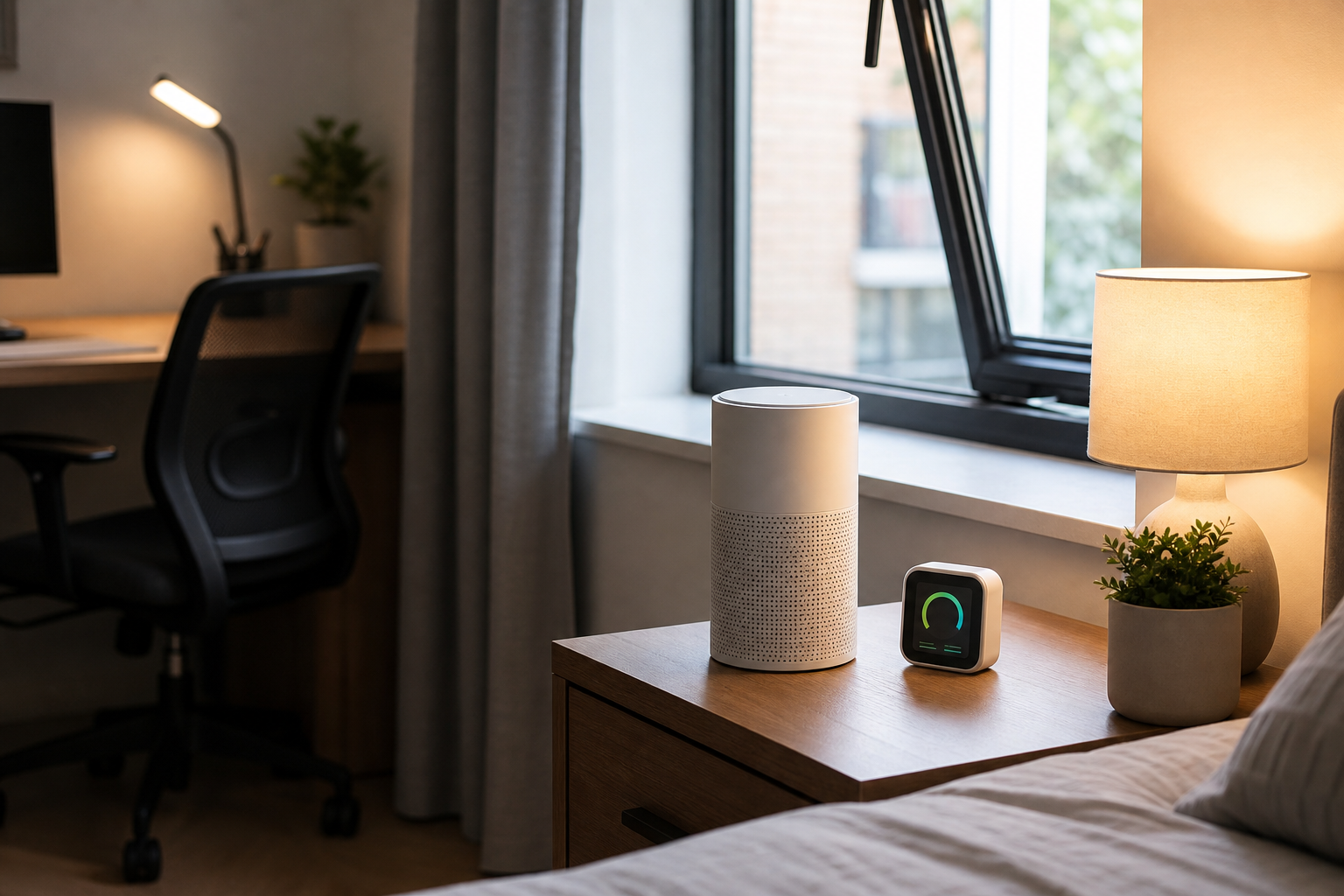
At 5:50 p.m., your phone flashes a local smoke advisory and your windows are still open because the apartment feels stuffy. That first wave of stress is normal, but it is also a bad moment to buy by fear. A good air setup starts with a small plan, not with the biggest air purifier card in your browser tab.
When people buy during smoke alerts, the common move is to choose the loudest, biggest model or the one with the deepest discount badge. Then, a week later, the same people are asking why the noise level is too high for sleep, why the filter costs more than expected, and why they cannot keep the unit on every day without forgetting upkeep. The right answer is simple: fit first, then airflow, then filter upkeep and policy checks.
1) Define the exact room you protect
Do not start with a generic "small room" label. Measure room length, width, and average ceiling height for the room where the purifier will run most of the time. For a short, practical estimate, treat the room as a box and note air volume in cubic feet. Most buyers only think in square feet, but airflow decisions become cleaner when volume is explicit.
Now set your target use case. If this is a bedroom plus desk area used for sleep, include nighttime noise tolerance in the decision. If it is a multi-use family room with door traffic, include moving space and placement flexibility. A single unit that cannot stay at an easy spot will become a weekend accessory, not a daily habit.
Use one placement rule: if the unit blocks circulation or makes the room less usable, do not buy it, even if the price is low. Utility beats headline specs.
2) Choose airflow by schedule, not by hype
Amazon tags often show units in a long chain of star ratings, but people confuse rating volume with fit. Build a shopping table with three values only: room size class, expected runtime, and replacement cost. Then sort models by how they score on all three.
During an alert, a higher airflow model can be useful, yet you still want comfort settings. You may need a higher mode for a few hours in the evening and a lower, quieter mode afterward. If a model has no clear noise guidance in practical terms, it may still be usable, but you will spend more time moving it between rooms than actually using it.
Avoid overbuying by matching CADR style to volume and use case. The goal is not maximum CADR, it is a clean room at a predictable cost. In most apartments, overrun comfort comes from one small but steady setup used consistently, not from a giant unit used at max 40 percent of the time.
3) Replace costs matter more than one-time sale prices
This is the part most people skip. A great purifier purchase may become expensive if filter refill frequency is unrealistic for your routine. A unit that saves you fifty dollars on sale and forces expensive replacements every two months can be the wrong deal by month three.
Before you buy, open the listing and search for three filter cost points: standard filter price, HEPA stage price, and prefilter or washable option. If the listing hides filter names and only says "replacement available," treat it as a warning sign. A cleaner budget is visible only when filter items are plain in the listing.
Use this quick filter budget rule:
- Estimate monthly run time.
- Estimate replacement cycle in months.
- Compute two quarter-costs, not one quarter.
If either cycle breaks your household routine or your calendar, reduce target runtime and pick a gentler schedule with a simpler filter plan.
4) Build a smoke-day shopping shortlist
Instead of opening dozens of cards, keep the shortlist to five. A disciplined shortlist avoids anxiety and makes your money work for your life, not for the listing page.
- Unit fits the room and traffic pattern without blocking movement.
- Noise option supports evening use.
- Filter replacement details are specific and affordable.
- Return path is clear and not hidden behind hard links.
- Delivery window is fast enough for alert windows.
Good browsing starts with a targeted search such as portable HEPA air purifiers for small rooms, air purifier replacement filters, and home air quality monitor options.
For active sales windows, pair your short list with current Amazon coupon and deal windows. Keep this action after your filters are checked, otherwise you can buy into a false discount on a unit you will later return.
5) Use smoke alerts as a test, not a panic window
The EPA pages on indoor air and wildfire smoke advice are useful for context, especially when they mention source control and timing habits. In plain terms: reduce entry of new smoke during high-risk moments, but do not build a permanent setup that is louder, hotter, or costlier than needed for normal days.
Keep a simple response plan in one place:
During alert: set purifier to target mode, close high leakage doors, run a short timer for peak periods, and check noise comfort each evening.
After alert: switch to normal mode, reassess airflow, and reduce runtime to your agreed pattern. This keeps cost from expanding after the emergency window passes.
6) Verify return policy before checkout
Before you click buy, make sure return timing is clear enough for your household. A long return wait is often the hidden tax on a rushed decision. Keep this quick check in your notebook: when does the return window close, can the item be opened before return, and is there any restocking fee for open units.
Amazon return behavior can change by category and seller. Review the practical details in the listing and keep a backup backup plan. You can also review return basics from Amazon return policy guidance.
7) A one-month maintenance loop that actually sticks
Most air setups fail after 30 days because buyers stop checking filters and runtime habits. Keep a calendar loop that takes 12 minutes total per month. Use one Sunday check, not daily effort.
- Wipe intake grilles and check visible dust.
- Confirm fan mode and runtime from app or button memory.
- Check replacement date note for each filter stage.
- Clean sensor area if your model has one.
This small routine usually improves airflow feel as much as buying a larger model after the fact. It also keeps your unit useful during summer smoke windows and routine city pollution days.
For buyers who want a practical starting route, begin with one compact unit, one filter plan, and one monitor view. Then test it for two weeks before upgrading. The right setup rarely changes your life overnight, but it saves frustration, noise fatigue, and coupon stress.
If your apartment is under frequent smoke pressure, this approach gives you control without the chaos: a smaller scope, cleaner purchase logic, and clear return fallback. That is the real deal, even when every alert makes buying feel urgent.