
Drywall Patch Repair Kit: The Small Wall Fix for Scuffs, Nail Holes, and Move-Out Panic
Tiny wall flaws have a way of becoming all you can see. This guide explains where a compact drywall patch kit helps, what to check first, and how to keep a small repair from turning into a weekend project.
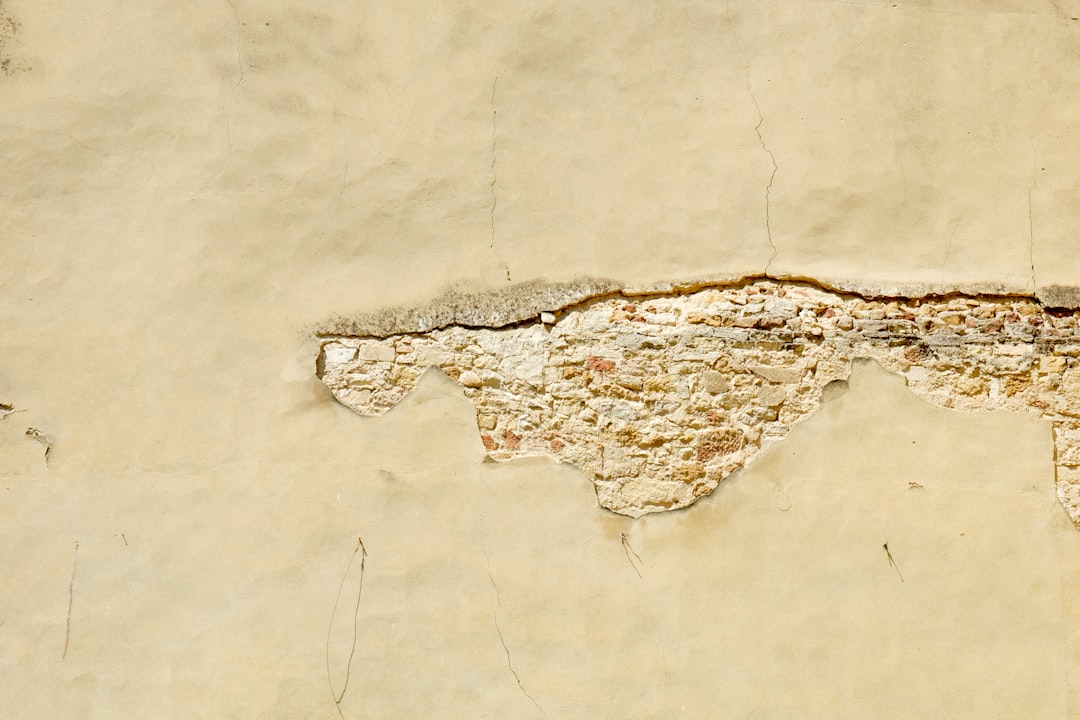
A wall never looks damaged at a convenient time. It waits until guests are coming over, a lease walkthrough is on the calendar, or the afternoon sun hits one exact spot and announces every nail hole like breaking news.
That is the lane for a small drywall repair kit. The Drywall Patch Repair Kit in the Kivoras catalog is a compact 250g wall mending option aimed at little home touch-ups, including peeling paint, cracks, scuffs, stains, graffiti marks, and other surface imperfections listed by the product catalog. It is the kind of product that makes sense when the job is too small for a contractor call but too visible to keep ignoring.
Why small wall fixes feel bigger than they are
Most homes collect tiny wall problems quietly. A chair bumps the dining room. A picture frame comes down and leaves a pinhole constellation. A hallway gets a scrape from a laundry basket. Kids, pets, furniture, and daily life all leave little evidence. None of those marks usually deserve a dramatic renovation plan, but they can make a clean room feel unfinished.
The annoying part is setup. Traditional wall repair can mean finding a tub of spackle that dried out two years ago, hunting for a putty knife, sanding too much, sanding too little, and discovering the paint touch-up does not match anymore. A small kit is appealing because it keeps the job in the category where it belongs: a quick maintenance chore, not a home improvement saga with three trips to the store.
What this kit is meant to do
According to the product catalog, this drywall patch repair kit is built around a 250g wall mending agent for home wall care. The listing describes it as multi-functional and quick drying, with use cases like stains, graffiti, peeling paint, cracks, and other imperfections. That makes it best to think of as a small-area repair helper, especially for visible spots where you want a cleaner surface before repainting or touching up.
The important word there is small. This is not a replacement for repairing water damage, structural cracking, sagging drywall, mold, or a hole big enough to make you stare at it silently for several seconds. If the wall is soft, wet, spreading, or cracked along a serious seam, pause and figure out the cause before covering it. For ordinary scuffs, old anchor holes, light surface damage, or the classic mystery dent at knee height, a compact kit can be a very reasonable first grab.
Where it earns a spot in the house
Renters can appreciate a product like this near move-out season, when every small mark suddenly feels expensive. Homeowners can use it for pre-guest cleanup, quick photo-ready wall fixes, or the little repairs that pile up after rearranging furniture. It also fits the maintenance drawer for anyone who handles small chores in batches. Once you start noticing wall flaws, you will probably find three more, because houses enjoy creating side quests.
The kit also makes sense for rooms where walls take daily abuse. Entryways get bag scrapes. Kids rooms get mystery marks. Closets get hanger dents. Garages and utility spaces get bumped by tools and storage bins. You may not need a perfect showroom finish in every one of those places, but making a rough spot cleaner and flatter can help the room feel cared for.
How to approach a small patch without making it weird
Start by cleaning the area. Dust, grease, and loose paint can make even a decent repair look messy. Wipe the surface, let it dry, and remove anything flaky before applying repair material. If the damage has a raised edge, knock it down gently instead of burying it under a mountain of patch. The goal is a thin, controlled repair that blends in after drying and finishing.
Apply less than you think at first. It is easier to add a little more than to sand down a giant proud blob on the wall while questioning your choices. Spread the material past the damaged spot just enough to feather the edge. Let it dry according to the product directions, then inspect it in normal room light and at an angle. Wall repairs love to look perfect straight on and suspicious from the side.
If the patch needs sanding, keep it light. You want the repaired area smooth, not hollowed out. Wipe away dust before painting or touching up. If the paint is old, test a tiny area first, because a perfect patch under mismatched paint is still going to wave at you from across the room. Sometimes the repair is easy and the paint match is the real villain.
What to check before buying
First, check whether your wall problem matches the kit size. A 250g repair product is handy for small fixes, but it is not the same as a full drywall panel repair system. Second, look at the surface type. Drywall, painted wall surfaces, concrete-like patches, and textured walls can behave differently. If your wall has heavy texture, you may need a separate texture-matching step after the patch dries.
Third, think about your finish expectations. A closet scrape and a living room wall at eye level are not the same level of pressure. If the spot is in bright natural light, take your time with feathering, drying, sanding, and paint touch-up. If it is behind a door, congratulations, you get to be slightly less dramatic.
Finally, check the current Amazon listing before checkout for the latest package details, directions, return terms, and price. The Kivoras catalog link includes the required affiliate tag, but product pages can change, and wall repair is one of those categories where instructions matter.
Who should skip it for now
Skip a small patch kit if the damage keeps coming back, the wall feels damp, the crack is widening, or the surface is crumbling. Those are clues, not cosmetic chores. You should also step back if you are dealing with a large hole, electrical or plumbing access, or a repair that needs tape, backing support, or a broader compound system. There is no shame in calling a pro when the wall is trying to tell a bigger story.
For everyone else, this kind of kit is mainly about lowering the barrier to starting. The best home maintenance products are often boring in exactly the right way. They sit in a drawer until a small problem appears, then keep the problem from becoming part of the room forever.
Bottom line
The Drywall Patch Repair Kit is worth a look if your home has small wall marks that bother you every time the light catches them. It is compact, focused, and aimed at common surface touch-ups rather than major repairs. Pair it with patience, a clean surface, careful feathering, and realistic expectations, and it can turn those tiny wall annoyances back into something you stop noticing. That is a pretty good outcome for a repair that starts with, "Fine, I will finally fix that spot."