
A Circuit Breaker Finder That Makes Home Electrical Guesswork Less Annoying
Every home has at least one mystery switch, mystery outlet, or breaker panel label that was clearly written by someone in a hurry.
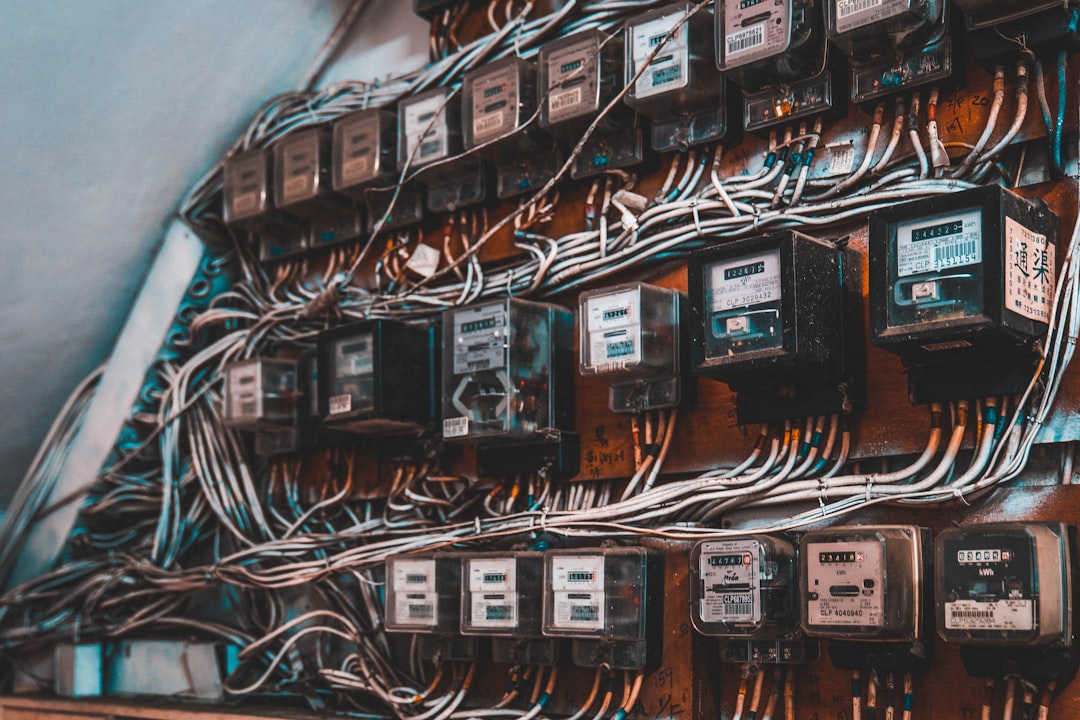
Every home has at least one mystery switch, mystery outlet, or breaker panel label that was clearly written by someone in a hurry. Maybe the kitchen lights are labeled "north wall," which would be helpful if the kitchen had a compass. Maybe the garage outlet trips and everyone takes turns flipping breakers like they are trying to win a tiny game show. That is where a tool like the KAIWEETS Circuit Breaker Finder with LCD Display starts to make sense.
This is not a magic wand, and it does not make electrical work risk-free. Electricity still deserves respect, shoes on the floor, and a healthy dislike of sparks. But for basic home checks, outlet mapping, and getting a clearer idea of which breaker belongs to which outlet, a combo circuit breaker finder and outlet tester can cut down on the guessing. Less guessing is good. Guessing around a breaker panel is the home maintenance version of opening every cabinet to find the coffee mugs.
Why breaker panels become household folklore
Breaker labels are supposed to be simple. In real life, homes change. Rooms get remodeled, outlets get added, a basement becomes an office, and suddenly the label that says "bedroom" covers three outlets, half a hallway, and one very confused ceiling fan. If you have ever moved into a house and found a panel labeled with handwriting from four different decades, you know the feeling.
A circuit breaker finder helps with one specific job: matching an outlet or receptacle to the breaker that controls it. The KAIWEETS KT301P kit pairs a transmitter with a receiver, so you can plug the transmitter into an outlet and use the receiver at the panel to help locate the related breaker. That can be handy when you are labeling a panel, setting up a workshop corner, checking which breaker feeds a garage outlet, or trying to make a small maintenance day feel less like detective work.
What the KAIWEETS kit brings to the toolbox
The product listing describes this as a circuit breaker finder, outlet tester, GFCI outlet tester, non-contact voltage tester, and flashlight in one compact kit. It also mentions an LCD display with backlight, signal strength information, and voltage readout for common household ranges. In plain English, it is meant to help you see basic outlet status and trace a circuit without juggling several tiny tools at once.
That all-in-one angle is the main reason it is interesting. A basic plug-in outlet tester is cheaper and useful, but it will not trace a breaker for you. A non-contact voltage pen is useful too, but it has a different job. A combo kit like this is for the person who wants one organized case for several common checks. If your toolbox already looks like a drawer full of mystery chargers, having one case is a small blessing.
The flashlight and backlit screen also matter more than they sound. Breaker panels often live in garages, closets, basements, utility rooms, or the one corner of the house where lighting apparently gave up. Being able to read a display without holding your phone under your chin like a campfire storyteller is a real perk.
Where it can be genuinely useful
The most normal use case is labeling outlets and breakers. You plug the transmitter into a standard outlet, go to the panel with the receiver, and use the signal to identify the matching breaker. Once you confirm the match safely, you can update the panel label. Future you will appreciate that. Future you may even send present you a tiny thank-you card.
It can also help during move-in projects. If you are arranging a home office, setting up a garage bench, adding a freezer to a utility area, or planning where high-use appliances should go, knowing which outlets share a circuit is useful background. You are not redesigning the electrical system. You are simply getting a clearer map before you make decisions.
The outlet tester side can be useful for basic receptacle checks, especially around garages, kitchens, laundry rooms, and outdoor-adjacent areas where GFCI protection is common. A GFCI outlet is the style with test and reset buttons. It is designed to shut off power quickly when it senses a ground-fault problem. That explanation is simplified, but the shopping takeaway is simple: if your home has GFCI outlets, a tester that includes a GFCI check can be a helpful part of your maintenance kit.
The safety line: helpful tool, not permission to get brave
This is the part where we keep both feet on the ground. A breaker finder can reduce confusion, but it does not replace a licensed electrician. It does not fix wiring, diagnose every electrical problem, or make risky work safe. If an outlet is hot to the touch, smells burnt, sparks, buzzes, trips repeatedly, or sits near moisture, stop and call a qualified professional. The same goes for old wiring, panel work, exposed conductors, or anything that makes your stomach say, "Nope." Listen to the stomach. It has kept many people alive.
For homeowners, the safest value here is organization and basic checking. Think panel mapping, outlet identification, confirming simple status indicators, and keeping better notes. Do not open a panel, touch exposed metal, or perform live electrical repairs because a gadget made you feel confident. Confidence is great for karaoke. Electrical work needs training.
How to decide if it belongs in your cart
The KAIWEETS circuit breaker finder makes the most sense if you own or maintain a home with unclear breaker labels, if you do small non-invasive maintenance checks, or if you like keeping a practical home toolkit. It is also a reasonable gift idea for the person who labels storage bins and owns three different kinds of tape. That person will absolutely label the breaker panel and feel peaceful about it.
If you only need to check one outlet once, a simpler outlet tester may be enough. If you are doing professional electrical work, you may already have preferred tools and test procedures. If you are somewhere in the middle, a homeowner who wants fewer question marks and better organization, this combo kit is easier to justify.
Before buying, check the current Amazon listing for the latest price, included adapters, return policy, and reviews. Product pages can change, and electrical tools are not the place to shop on autopilot. Look closely at what comes in the case, confirm that the features match the outlets and projects you actually have, and skip any claim that sounds bigger than basic testing and tracing.
A calm little upgrade for maintenance days
The best home tools are not always the loud ones. Sometimes the useful pick is the thing that makes a nagging task boring in the best possible way. The KAIWEETS circuit breaker finder is that kind of product. It can help you map outlets, tidy up panel labels, understand basic outlet status, and avoid the old flip-and-yell method from across the house.
If your breaker panel is already neat, your outlets are clearly mapped, and you have no small electrical checks on the horizon, you may not need it. If your panel looks like a riddle and your garage outlet has a personality, it is worth a look. Just keep the big rule in mind: use tools for clarity, not courage. When electricity gets weird, warm, wet, smoky, or dramatic, bring in a pro and let the tool rest in its case like a well-behaved little gadget.