QIFOR Headlight Restoration Fluid: A Small Product-Care Fix for Cloudy Night-Drive Lenses
Cloudy headlights can make a normal evening drive feel more annoying than it needs to be. This guide explains where QIFOR restoration fluid may help, what to check before using it, and when a bigger repair is the smarter call.
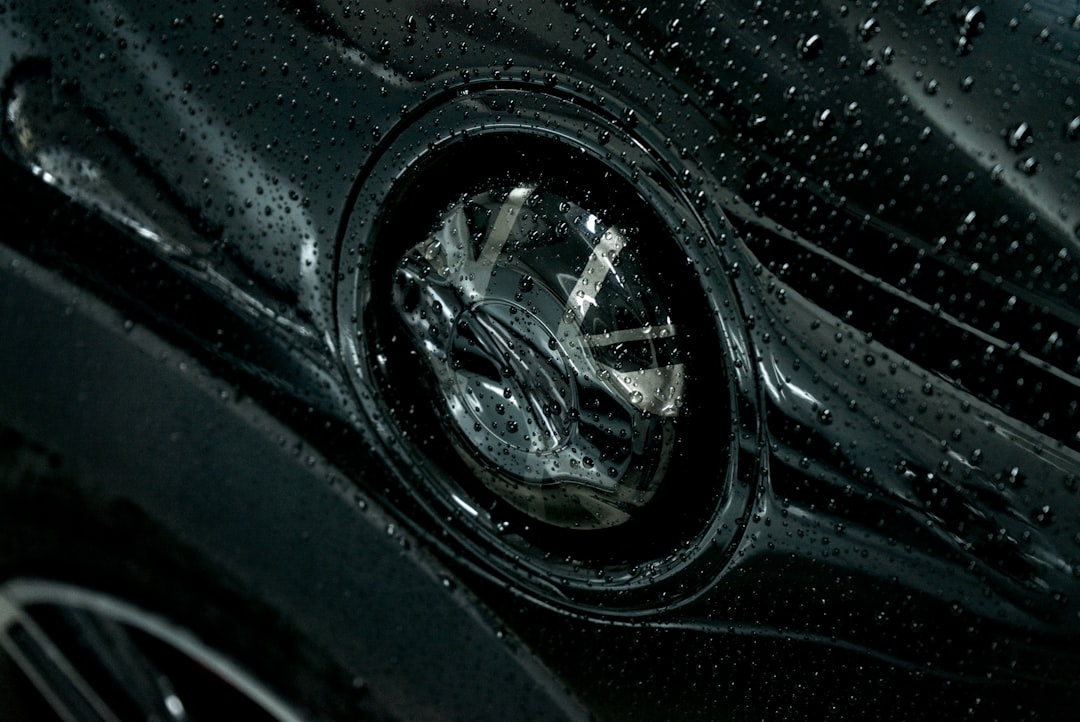
There is a special kind of betrayal that happens when you wash the car, step back, and the headlights still look like they have been dusted with pancake mix. The paint looks cleaner. The windshield looks better. Then the headlight lenses sit there, hazy and yellowed, quietly making the whole front end look tired.
That is the everyday problem behind QIFOR Automotive Headlamp Restoration Fluid. It is a compact product-care option aimed at oxidized, yellowed, or blurry headlamp lenses. The useful way to think about it is not as a magic potion. Think of it as a small maintenance try for lenses that have started to haze over but are not cracked, leaking, or physically falling apart.
Why headlights get cloudy in the first place
Most modern headlight covers are plastic, and plastic has to live a rough life at the front of a car. Sunlight, heat, road grit, bugs, car-wash brushes, winter grime, and plain old age can all wear on the outer surface. Over time, that clear cover can turn cloudy or yellow. Sometimes the lens only looks dull in daylight. Sometimes you notice it more at dusk, when the beam looks softer than it used to.
A restoration fluid is meant for the surface-haze side of that problem. If the cloudiness is mostly on the outside of the lens, careful cleaning and coating may make the headlight look clearer. If the lens is cracked, the housing has moisture inside it, or the bulb and wiring are the real issue, a wipe-on product is not going to win that argument. Physics is stubborn, and it does not read product descriptions.
When a DIY fluid is worth considering
QIFOR's headlamp restoration fluid fits best when the car is otherwise fine but the lenses look dull enough to annoy you. Maybe you are getting ready for a weekend drive. Maybe an older daily driver needs a little cosmetic attention before inspection season. Maybe you parked next to a newer car and suddenly your headlights looked like they had been through a tiny sandstorm.
This kind of product-care buy can be reasonable if the haze looks light to moderate, the lens surface is intact, and you are willing to do the prep instead of rushing. It is also a budget-friendly first step before paying for a full restoration service or replacing headlight assemblies. Just keep expectations grounded. The goal is to improve a tired lens, not turn a ten-year-old headlight into a showroom jewel while you stand there holding a microfiber cloth like a wizard.
Good headlight care starts with a boring check: make sure you are fixing the lens, not ignoring a bigger light problem.
The prep matters more than the tiny bottle
The fastest way to waste a restoration product is to slap it over dirt. Before using any headlight fluid, wash the lens and the surrounding area well. Dry it completely. If the instructions call for sanding, polishing, gloves, masking, or a wait time, follow the instructions that come with the product. Paint and trim sit very close to the headlight, so masking the edges is a smart habit. It is not glamorous, but neither is explaining why the bumper now has a weird shiny rectangle beside the lamp.
Pick the right weather window too. A dry, shaded spot is usually easier to work in than direct sun on a hot driveway. Wind can blow dust onto a freshly cleaned lens. Rain can ruin your timing. If the product needs cure time, give it that time. A headlight project should feel like a tidy Saturday chore, not a pit stop in a thunderstorm.
A quick buyer checklist before you click
Before adding QIFOR Automotive Headlamp Restoration Fluid to your cart, check the product page and make sure it still matches what you need. Product pages can change, and Kivoras is not going to pretend a listing says something it does not say. Look for the basics:
- Confirm the product is meant for automotive headlamp lenses and the type of haze you see.
- Check whether applicators, cloths, or extra prep materials are included or needed separately.
- Read the directions for drying time, curing time, and weather limits.
- Look at customer photos with similar lens haze, not only the most dramatic before-and-after image.
- Make sure the Amazon link includes the Kivoras affiliate tag, which this article's link does.
That last point is boring but important for this site. The product link above includes tag=kivcrt-20, which is the affiliate tag required for Kivoras posts. It does not change your practical decision. It just keeps the recommendation trackable for the shop.
Who should probably skip the DIY route
A fluid is not the right answer for every sad headlight. If there is water sloshing inside the housing, deal with the seal or assembly. If the plastic is deeply cracked, pitted, or peeling in chunks, replacement may be smarter. If the light output still seems weak after lens care, check the bulb, aim, wiring, and housing condition. And if your state inspection or local rules are involved, do not rely on a product-care blog as your legal department. Get the lights checked properly.
There is also a point where time has value. If both headlights need heavy sanding and careful coating, a full kit or professional service might be the better match. QIFOR's restoration fluid is most appealing when the job is small enough that a simpler product makes sense.
After you clean them, test them like a normal person
Once the lenses are done and fully cured, do a simple evening check. Park on level ground facing a garage door or wall and turn the headlights on. You are not trying to run a laboratory. You are looking for obvious issues: one side much dimmer than the other, a strange beam pattern, moisture showing up again, or haze that barely changed. If something still looks wrong, the lens may not have been the main problem.
For maintenance, keep the lenses clean during normal washes and avoid harsh scrubbing that can scratch the surface. If the product instructions mention reapplication timing or after-care, follow that instead of guessing. The best result is boring in a good way: headlights that look clearer, a front end that feels less neglected, and one less small car chore nagging at you every time you walk through the driveway.
The bottom line
QIFOR Automotive Headlamp Restoration Fluid is a sensible little product-care candidate for drivers dealing with cloudy or yellowed lenses, especially when the issue looks like surface haze rather than damage inside the headlight. It is not a guarantee, a safety certification, or a permanent fix. It is a reasonable try for the kind of maintenance problem many older cars collect over time.
If your headlights are mildly hazy, the housing is dry, and you are willing to prep the area carefully, this is the kind of small Amazon find that can be worth a look. If the lights are cracked, wet inside, or still weak afterward, let the little bottle retire gracefully and move on to a deeper repair. Even good car-care products deserve honest job descriptions.